First time! Exposure of three major problems in the publication of audit results of ecological environmental protection in the Yangtze River Economic Belt

       CCTV News:Yesterday, the National Audit Office announced the audit results of ecological environmental protection in the Yangtze River Economic Belt.

one

       In 2016 and 2017, a total of 251.824 billion yuan was invested in the ecological environment protection of the Yangtze River Economic Belt. While the ecological environment protection has achieved certain results, there are also some problems.

       In terms of the use of funds, from December 2013 to January 2018, eight local government departments and their subordinate units illegally used funds related to ecological environmental protection of 25,804,900 yuan.

       In terms of resource development, by the end of 2017, 930 small hydropower stations in 8 provinces had started construction without EIA, and over-exploitation caused 333 rivers to be cut off, with a total length of 1,017 kilometers.

       In terms of pollution control, by the end of 2017, there were 118 urban sewage treatment plants in sensitive areas in 9 provinces that did not meet Grade A emission standards.

       This is the first time that the National Audit Office has conducted an ecological environmental protection audit on the Yangtze River Economic Belt and issued a special audit report. The focus of the audit has also shifted from a purely economic perspective to an ecological protection and ecological restoration perspective. From the published audit opinions, it can be seen that there are no details involved, such as the development of small hydropower just mentioned. Some people even think that the Audit Commission pays attention to a small hydropower, why don’t these details go unnoticed? The reporter interviewed the relevant person of the National Audit Office.

       Luo Tao, director of the Department of Resources and Environment Audit of the National Audit Office, said: "This problem can be said to be small and big. Small hydropower stations are not only related to the development of water resources, but also closely related to water ecology, affecting the biodiversity of our country."

       Liu Feng, Deputy Director of the Department of Resources and Environment Audit of the National Audit Office, said: "In fact, in the past, people may not pay attention to it and think it is a trivial matter. If no one pays attention, it will become a blind spot and a regulatory blank. As an ecological environment protection, there must be no blind spots and no restricted areas. "

       According to relevant regulations, in order to strengthen audit supervision and promote the implementation and rectification of audit decisions by audited units, the Audit Commission will pay a return visit after issuing audit conclusions.

       Liu Feng, deputy director of the Department of Resources and Environment Audit of the National Audit Office, said: "We have an audit rectification system, and we have to check its rectification every year. All relevant departments and localities follow the system, and they also have to announce the rectification to the public. Grasping great protection together, looking at the problem as a whole, can’t be considered simply by yourself and in one place. "

       At present, the National Audit Office has issued an audit report on the problems that have been identified by the audit, requiring the relevant local governments to announce the rectification results to the public according to law after the deadline for rectification.

       "Great protection and no great development" is not only the Yangtze River Economic Belt. Since the 18th National Congress, China’s ecological environment supervision has become increasingly strict, and the system has become increasingly strict. Just recently, the central environmental protection inspector "looked back" and stationed in many provinces (regions), and more than 600 people were held accountable. The ecological "red line" is the "high-voltage line", which can’t be touched.

Emergency transfer of the masses, emergency repairs, rushing to ensure smooth traffic … The middle and lower reaches of the Yangtze River race against time and unite as one to prevent floods.

CCTV News:On the afternoon of July 1, Jingzhou, Hubei Province issued a red rainstorm warning. Heavy rainfall caused some roads in Jingzhou City to accumulate water, and farmland and levees in Shishou, Honghu and other counties and cities were threatened. Relevant local departments at all levels took measures to actively respond.

During the day on the 1st, the urban area of Jingzhou City suffered from heavy rainfall, and the accumulated rainfall in three hours exceeded 100 mm. The precipitation caused water accumulation in some low-lying sections of the urban area, with the deepest part exceeding 10 cm. The local traffic police quickly dispatched to guide passing vehicles in the stagnant water section, and the urban emergency departments also dispatched vehicles and personnel in time for emergency drainage.

The continuous rainstorm has caused some sub-dikes of Tianxing Lake in Shishou City to overflow, and nearly 40,000 mu of farmland and some houses are at risk of being flooded. For this reason, rescuers urgently put a large-diameter pumping pipeline into the lake, first pumping the lake water to the decompression cofferdam next to it, and then opening the gate to discharge the water to the Yangtze River after the water level of the decompression cofferdam forms a gap with the water level of the Yangtze River.

In addition, affected by heavy rainfall and upstream water, the water level of the Yangtze River embankment in Honghu, Jingzhou continued to rise rapidly. At 8 o’clock on the 1 ST, the water level of the Yangtze River Luoshan Station was 32.07 meters, exceeding the warning level of 0.07 meters. The local authorities quickly organized the cadres and masses in party member to be on duty on the embankment, and carried out patrol inspection on the embankment.

Honghu Lake, Hubei Province: Heavy rainfall caused agricultural damage, and the local area quickly rescued and provided disaster relief.

Recently, heavy rainfall caused serious water accumulation in many areas of honghu city, Hubei Province, which affected agricultural production. The local area quickly organized personnel to resist floods and ensure production.

In Crystal Village, Chahe Town, honghu city, nearly 40 acres of fish ponds have been flooded due to heavy rainfall in recent days. After learning about the disaster situation of farmers, the local authorities quickly organized personnel to help farmers build dams and insert nets to reduce losses.

In Group 8 of Crystal Village, dozens of acres of rice seedlings were flooded, and nearly 100 acres of soybeans were soaked in water. The local cadres in party member and all the staff of the resident working group went out to try their best to help farmers reduce their losses. In order to ensure agricultural production, Crystal Village devoted manpower and mechanical equipment to rescue and reduce farmers’ losses. 

Pingjiang, Hunan: Race against Time Pingjiang Fire Rescue Evacuate the Trapped People

There was a heavy rain in Pingjiang County. The flood has flooded into the county seat, and one-third of the urban area was flooded, with the maximum depth of 3 meters. At the same time, it caused a large-scale power outage, and some residents were trapped at home. The situation was urgent and the fire forces continued to rescue.

At 6 o’clock on July 1st, the fire rescue team in Pingjiang County mobilized all its strength to form four flood control and flood fighting commandos, driving assault boats and rubber boats to various directions in the city to race against time to transport trapped residents.

Near the Baifu Tunnel, a pregnant woman was expected to give birth ahead of schedule and anxiously waited for her to rush to the hospital. After several twists and turns, the firefighters who arrived successfully sent the pregnant woman to the county people’s hospital.
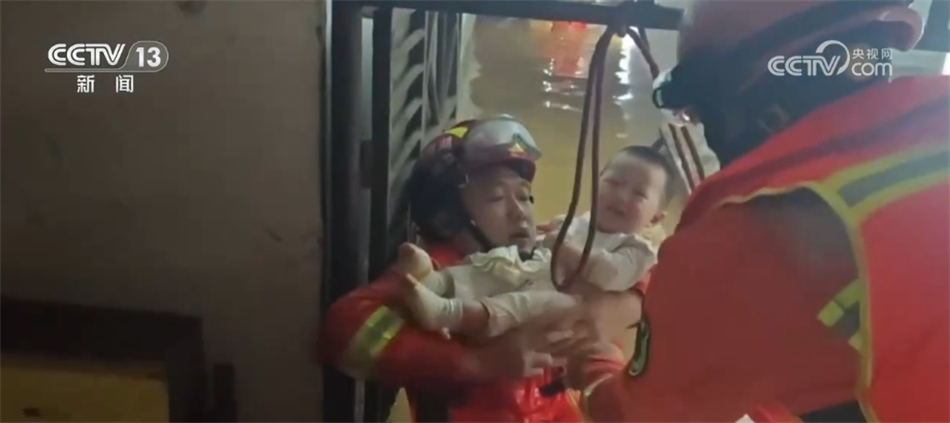
In Kangle Village, rescuers heard the baby crying in a residential building. They jumped into the water 1.5 meters deep and transferred the baby out.

In the north of the city, the assault boat came to the window of the stairwell, and the building was full of residents waiting in line for transfer.

Three firefighters and rescuers set up a "ladder" to take the trapped residents on board.

Xinshao, Hunan Province: More than 40 households with potential safety hazards were transferred due to mountain torrents.

At about 9: 00 pm on July 1, Niu Shan Village, Longxipu Town, Xinshao County, Hunan Province, experienced heavy rainfall and sudden flash floods. Niu Shan Pucun is located in the depths of the mountains, and more than 120 villagers are mostly left-behind elderly people. In order to avoid being trapped, the village quickly organized personnel, knocked on the door from door to door in groups, and transferred more than 40 villagers with potential safety hazards to safety in time. Subsequently, the local highway department rushed to the scene to repair the damaged road. At present, the road has resumed traffic.

Jiujiang, Jiangxi: Flooding of roads and houses caused by heavy rainfall, fire fighting and relocation of trapped residents.

On the afternoon of July 1st, xiushui county, Jiujiang City, Jiangxi Province issued an orange rainstorm warning signal, and the river and water repair station exceeded the police by 2.9 meters. Continuous heavy rainfall caused waterlogging in the local area, some roads and houses were flooded, and some residents were trapped at home. The fire department quickly organized forces to rescue the trapped residents.

At 6: 00 pm on the 1st, in Yining Town, xiushui county, the local flooded road section was 2 kilometers long, and there was water on the first floor of shops and residential buildings along the street, with the water depth reaching about 1.5 meters. Firefighters drove assault boats and moved trapped people from house to house. In front of a residential building with deep water, a mother and daughter were blocked by the water because the corridor was too narrow. Fire and rescue workers waded into the building, first carried the little girl, then carried her mother to the assault boat, and then transported them to safety.
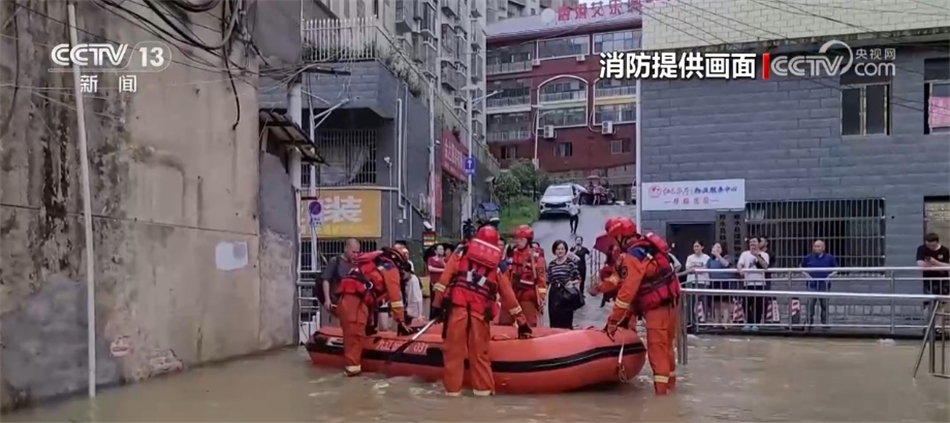
In front of another residential building, firemen took the infant from a mother in the stagnant water submerged to the thigh. In order to avoid getting wet, firemen held the baby in their hands and carefully moved it outward. Finally, with the help of teammates, all the trapped residents were safely transferred.

In addition, the accumulated water also prevented some residents from going home. Firefighters used rubber boats as "ferry boats" to walk through the water and pick up residents to return home safely.

In Huamen Village, Shi ‘ao Township, xiushui county, on the afternoon of the 1st, the main road leading to the village was flooded by the rushing water, and the water level continued to rise. Firefighters learned that an elderly man in his seventies in the village was unable to move alone at home, and immediately formed a rescue team to come to the old man. After asking about the physical condition of the old man, they decided to carry him out with the seat and transfer him to a safe place.

Considering that there will still be precipitation in the next two days, the local authorities are organizing forces to inspect and eliminate risks to prevent secondary disasters.

Jiujiang, Jiangxi: The water level of Xiuhe River exceeds the warning level of 2.9 meters, and the local people are urgently transferred.

On July 1, affected by continuous heavy rainfall and upstream water, the water level of Jiangxi Xiuhe Xiushui Station exceeded the warning level of 2.9 meters, which caused many houses in Ningzhou Town to be flooded and the people were trapped. Local party member cadres and several rescue forces rushed to the scene at the first time to transfer the trapped people.

At 5 o’clock in the afternoon on the 1 ST, affected by heavy rainfall and upstream water, the water level of Xiuhe River rose rapidly. In Nanya Community and Wenfeng Community in Ningzhou Town, xiushui county, many street houses were flooded, and the deepest part of the water was about 1.5 meters. A large number of people were trapped. Local party member cadres and several rescue forces used assault boats to transfer the trapped people to safe areas in batches. By the afternoon of July 1st, more than 2,000 trapped people had been successfully transferred in this area, and the local people were given stable accommodation by visiting relatives and friends and centralized resettlement.

Yichun, Jiangxi Province: The landslide of provincial and county roads is blocked, and it is raining to repair and rush to ensure smooth traffic.

Recently, due to the continuous rainfall, many roads in Yifeng County, Jiangxi Province have experienced landslides and collapses, and the local authorities quickly organized forces to carry out emergency repairs in the rain.

At about 17: 00 on June 30, a large area of landslide and collapse occurred in the section of Daokuqian Village in 573 County due to heavy rain, and a large number of rocks and trees fell, blocking traffic and blocking villagers’ access.

In order to grab the access road as soon as possible, the local deployment machinery and personnel rushed to the landslide area to start operations quickly. At the same time, warning points are set up in the road sections before and after the landslide to suspend the passage of personnel and ensure safe operation. At present, the road has been rushed.

Guangde, Anhui Province: Rainfall affects the continuous cadres and masses to work together to eliminate the danger of waterlogging

On June 30, the continuous heavy rainfall in Guangde City, Anhui Province caused the river in Qiucun Town of Zhuanqiao River to rise and overflow. The local cadres and the masses dealt with it at the first time to eliminate the danger.
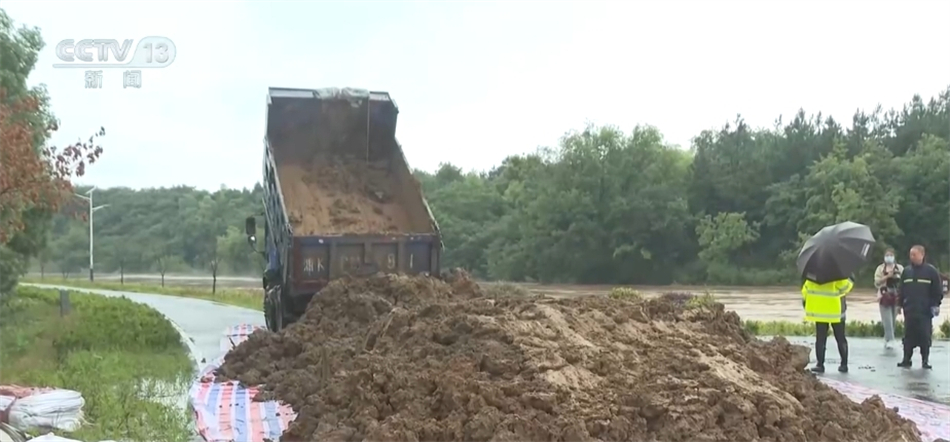
The recent continuous heavy rainfall has led to the rapid rise of river water in Qiucun Town, Guangde City. River inspectors found that because of the low terrain of Qiucun Village, the river overflowed and the risk of waterlogging increased. The inspector immediately reported the danger. After receiving the report, the local government quickly launched an emergency plan and organized personnel to lay a sub-dike about 50 meters long. At present, the risk of waterlogging is basically eliminated. According to the forecast of the meteorological department, the rain will continue in the next few days, and the local area has made every effort to prepare for it.

Jiangsu: Nanjing Station of the Yangtze River has exceeded the warning water level and strengthened flood control and emergency rescue locally.

Affected by heavy rainfall and water from the middle and upper reaches of the Yangtze River, at 7: 00 am on July 2, the water level at Nanjing Station of the Yangtze River was 9.48 meters, exceeding the warning limit of 0.78 meters. At 12: 15 on July 1, the Water Resources Department of Jiangsu Province upgraded and issued a yellow flood warning for the Jiangsu section of the Yangtze River.

On the afternoon of July 1st, the reporter saw at the mouth of Sancha River, where the Qinhuai River in Nanjing flows into the Yangtze River, that due to the high water level of the Yangtze River, the Sancha River sluice has been submerged below the water level, and due to the jacking of the river, the water level in the lower reaches of Qinhuai River is high, and it overflows some hydrophilic plank roads. Some trees and light poles along the river are submerged. Warning lines and partitions have been set up in Nanjing to remind citizens not to go near the river.

According to the forecast of hydrological department, the flow of Datong station in the Yangtze River continues to increase, and it is expected to reach 68,100 cubic meters per second on July 3. In the next three days, the Yangtze River and Qinhuai River in Nanjing will continue to maintain super-police floods. Jiangsu Provincial Water Resources Department sent six working groups to the Yangtze River, Taihu Lake and other areas to guide local flood control and emergency rescue work.

A new case of local diagnosis in Sanya, Hainan Province: Qiongren from outside the province, and the trajectory involved in hotel scenic spots.

  On February 28th, the novel coronavirus Epidemic Prevention and Control Command of Sanya issued the Notice of the novel coronavirus Epidemic Prevention and Control Command of Sanya on a case of COVID-19 diagnosed by a migrant worker from the province;

  On February 24, 2022, a migrant worker from Hainan entered Hainan with a 24-hour negative nucleic acid certificate, and on February 27, he was in Sanya.The results of nucleic acid test in Hainan Hospital of PLA General Hospital were abnormal. On February 28th, it was confirmed as a confirmed case (light) in COVID-19 by the Provincial Center for Disease Control and Prevention.Sanya immediately launched an emergency plan, implemented isolation control and collaborative investigation for relevant personnel, and implemented control and disinfection measures in relevant places. The leaders and experts of the provincial epidemic prevention and control headquarters rushed to the scene to guide the disposal work. At present, the person has been transferred to the designated hospital for isolation treatment.

  The preliminary results show that the activity track of this person is as follows:

  At 14:50 on February 24th, I flew from Tianjin to Sanya with my children and mother-in-law with the certificate of negative nucleic acid test, arrived at Phoenix Airport at 18:45, took the internet car (Joan BC3000) at 19:30, checked in at 20:21, and ate in the hotel room at 20:58.

  At 09:00 on February 25th, we had breakfast buffet in the western restaurant on the first floor of the hotel. At 10:18, we took the online car (Joan BGB671) to the Tianya Haijiao Scenic Area, without lunch. At 14:09, we took the online car (Joan BD41680) and returned to the hotel. At 18:58, take the online car (Qiong BD05581) to have dinner at Lanzhou Ramen Restaurant in Donghe Lane, Longhai, Haitang District, and at 19:49, take the online car (Qiong BD23566) to return to the hotel. Take-out snacks at 20:02.

  On February 26th, at 09:00, breakfast buffet was held in the western restaurant on the first floor of the hotel. At 10:58, we took a bus ride (Joan BD00931) to visit wuzhizhou. At 13:30, we had lunch at the Pirate Bar restaurant on the island. At 15:22, we took a bus ride (Joan BD08260) to return to the hotel. At 19:08 and 19:21, we took delivery and had dinner at the hotel.

  At 8:28 on February 27th, I arrived at Hainan Hospital, General Hospital of the People’s Liberation Army (Qiong BD08900) for nucleic acid sampling. After that, I took a shuttle bus (Qiong BD47397) and returned to the hotel. At 09:30, I had a buffet breakfast in the western restaurant on the first floor of the hotel. I didn’t have lunch. At 18:00, I ate in the children’s restaurant on the first floor of the hotel and ordered takeout. At 19:00, I received a notice from Hainan Hospital, the General Hospital of the People’s Liberation Army that the nucleic acid result was abnormal and immediately transferred to Sanya Central Hospital for isolation treatment.

  If there are people with the same track at the same time, they should immediately report to the Municipal CDC and the Municipal Epidemic Prevention and Control Headquarters (Tel: 88273769, 1668969122, 18689701622); If you have left Sanya, please report to the local CDC or epidemic headquarters, and cooperate with the implementation of relevant epidemic control measures. If you hide it, once serious consequences are caused, the relevant personnel will be held accountable according to law.

  Please pay attention to the information released by the official authority, don’t panic, don’t believe in rumors, don’t spread rumors, and actively cooperate with the epidemic prevention and control work. At the same time, we should continue to tighten the string of epidemic prevention and control, maintain a high sense of protection, adhere to scientific prevention and control measures such as wearing masks, washing hands frequently, ventilation frequently, not gathering, and keeping a safe distance, develop good personal hygiene habits, consciously cooperate with epidemic prevention and control work such as temperature measurement and health code inspection when entering and leaving public places, and vaccinate Covid-19 vaccine as soon as possible. If fever, dry cough, fatigue, runny nose, sore throat, decreased taste and smell, conjunctivitis and myalgia occur,

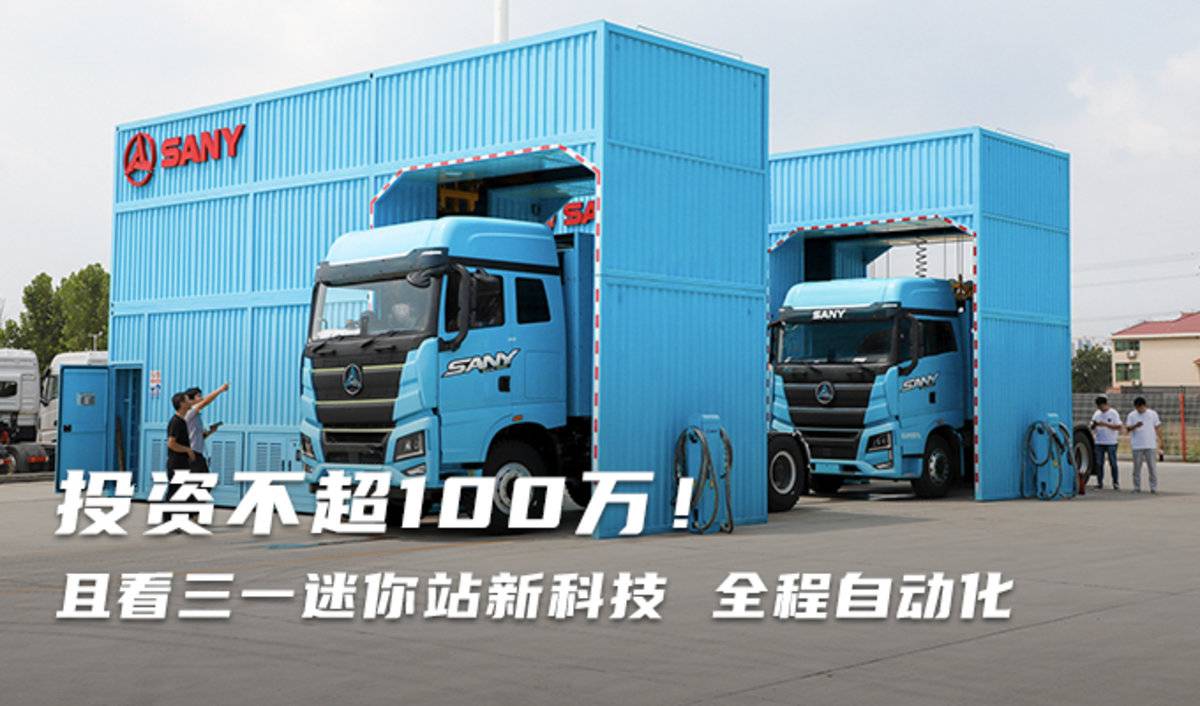
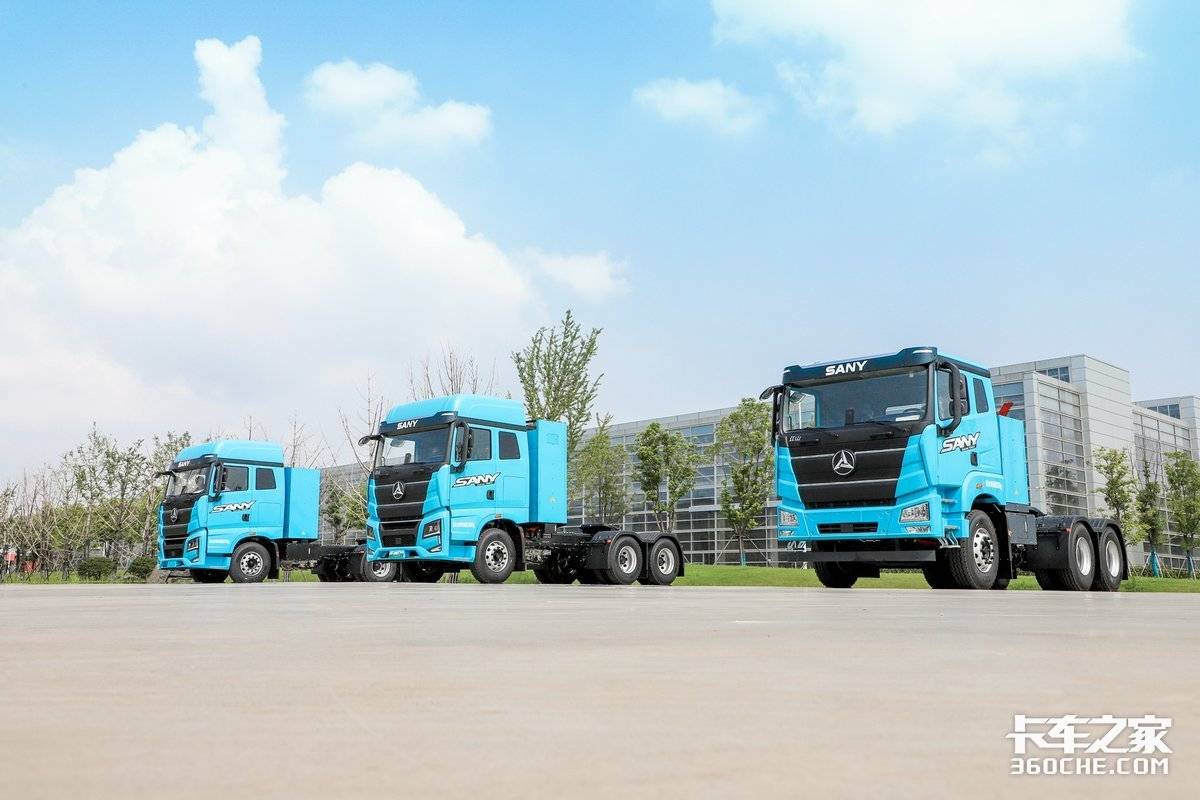
The investment is no more than 1 million and look at the new technology of Sany Power Station.

"Forest water, then a mountain, the mountain has a small mouth, as if if there is light. Leave the boat and enter from the mouth. Only when you are very narrow at first can you understand people. The number of complex lines is ten steps, and it suddenly becomes clear. " At this stage, the new energy charging and replacing industry depicts another peach blossom garden. From January to July 2023, a total of 13,981 new energy heavy trucks were sold, up 20.06% year-on-year. In this technological revolution, the stable climbing of new energy heavy trucks has also led to the successful completion of the power exchange station.

The investment is no more than 1 million and look at the new technology of Sany Power Station.

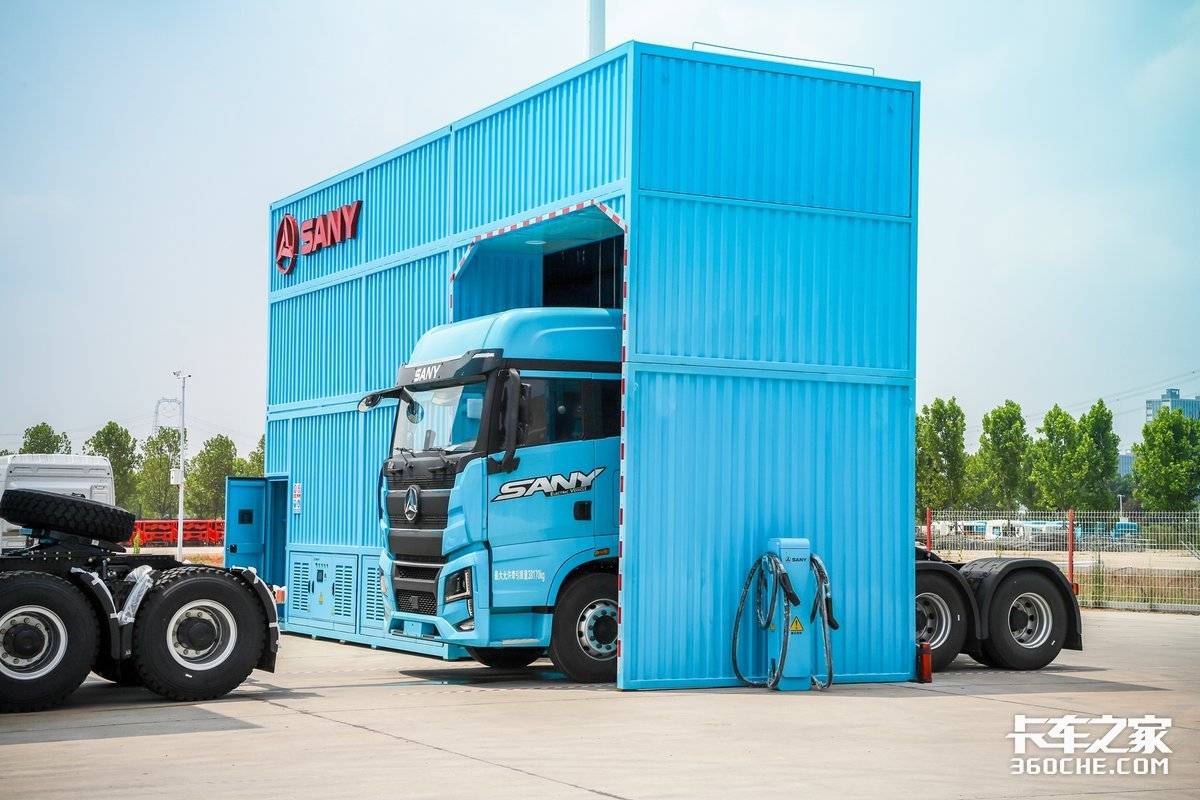
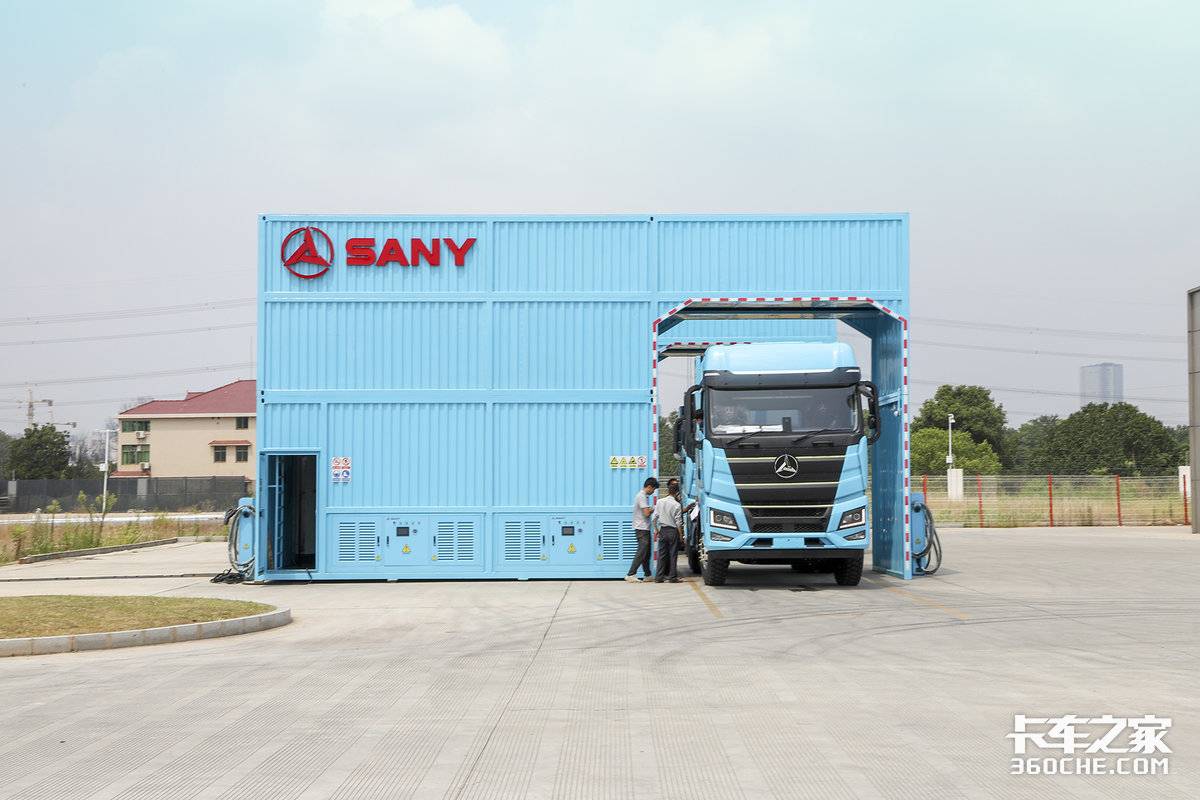
[Original Truck House] Trinity Mini Charging and Replacing Station debut! The whole station can charge and replace 22400kWh of electricity in a single day, and the service mileage in a single day can meet the operation demand of 14000km, accounting for only 35.3㎡, and it can be returned to the station in 8 hours at the earliest and in 1.5-2 years. Compared with the large-scale power exchange stations with 7 million and 8 million at present, no matter which data of Sany Mini Station is put in today’s power exchange industry, it is quite amazing.

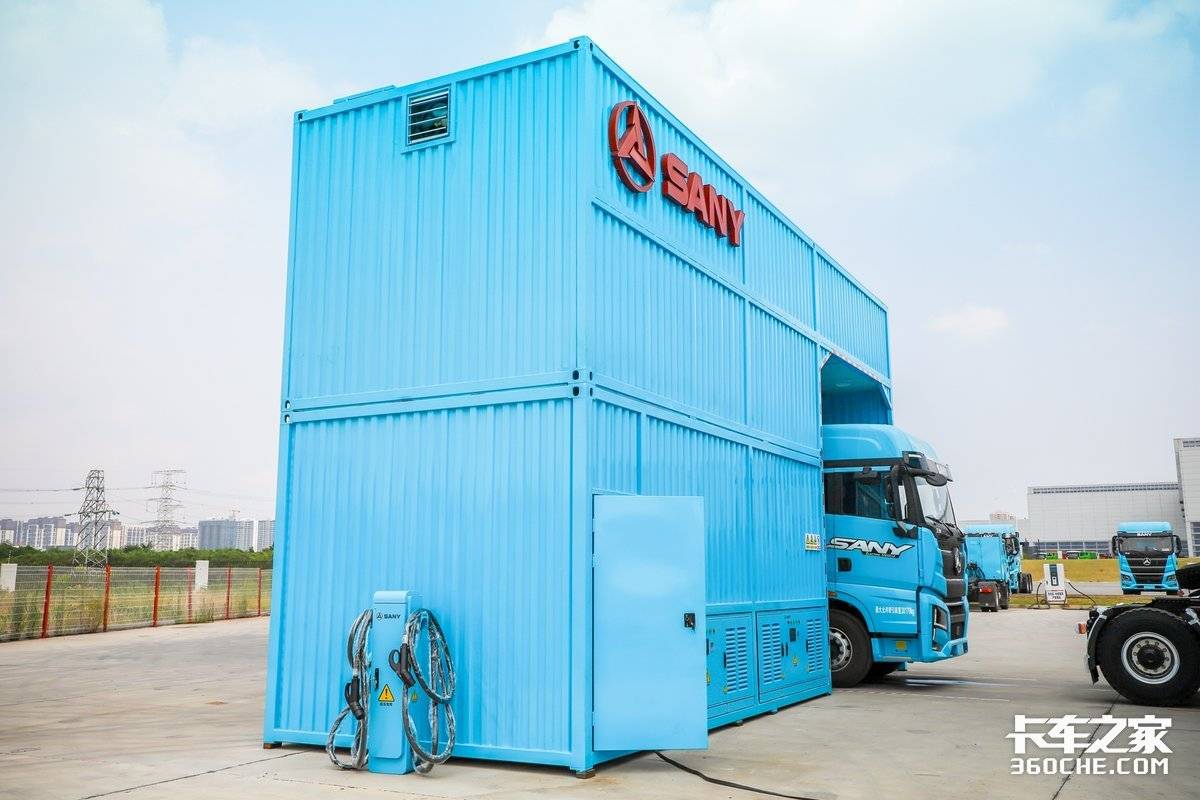
The modular and integrated area is only 35.3m2.

Driven by the "double carbon" policy, the economy of new energy heavy trucks has been effectively verified, and lower operating costs have prompted more fuel vehicle users to switch to the embrace of new energy heavy trucks. The sales volume of new energy heavy trucks continues to increase, but the reasons that limit its rapid growth are also clear: purchase cost, cruising range and recharge speed. Obviously, under this opportunity, power exchange operation has become the key to breaking down barriers.

The investment is no more than 1 million and look at the new technology of Sany Power Station.

So, why is the J321 mini-power station different from "Heavy"? Next, let’s analyze these figures, The Secret Behind.

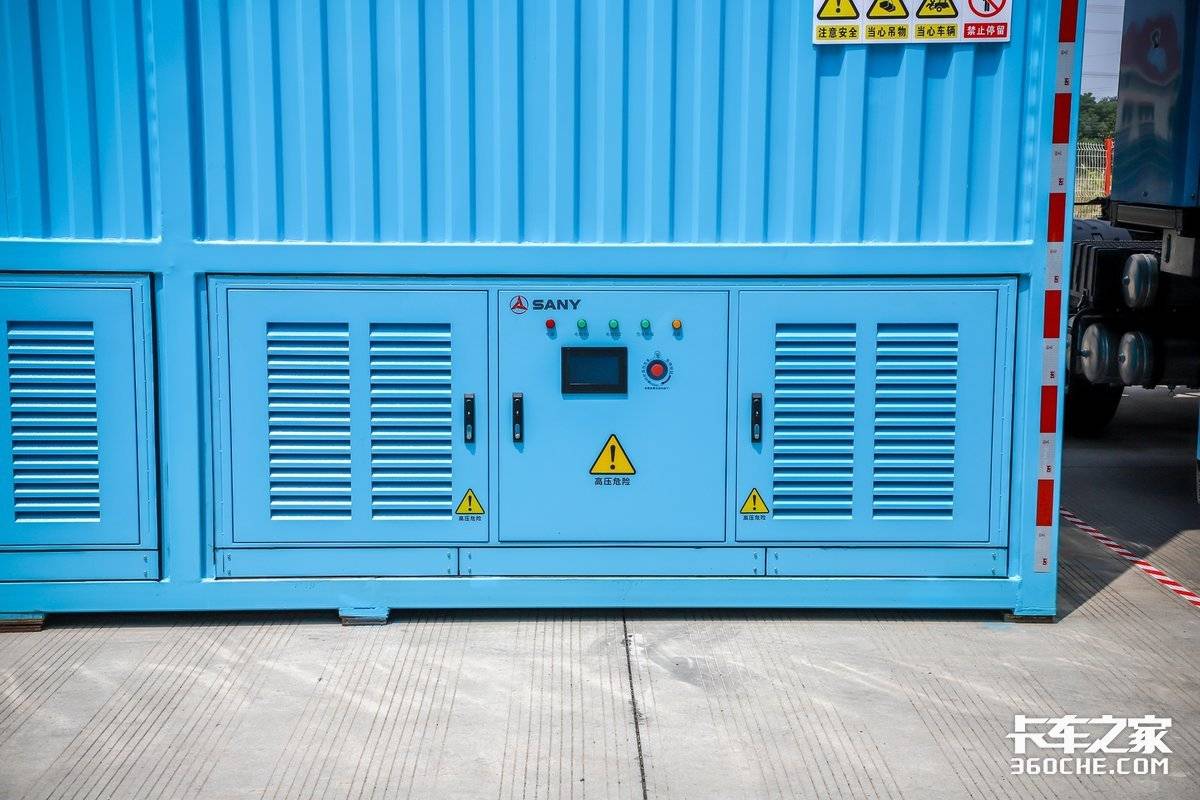
First of all, J321 charging and replacing station is different from the traditional power station. All the equipment has been debugged in advance, highly integrated and assembled in containers, and can be quickly moved to the site for assembly according to the construction period. It only takes 35.3㎡ to get off the station, and the whole journey can be completed in 8 hours, even less than half a day. For most teams with fixed operation scenes, this means that the Sany Mini Station will not cause too much space occupation and too much space cost, and even the mixing station in the mountains can easily build the station.

The investment is no more than 1 million and look at the new technology of Sany Power Station.

The investment is no more than 1 million and look at the new technology of Sany Power Station.

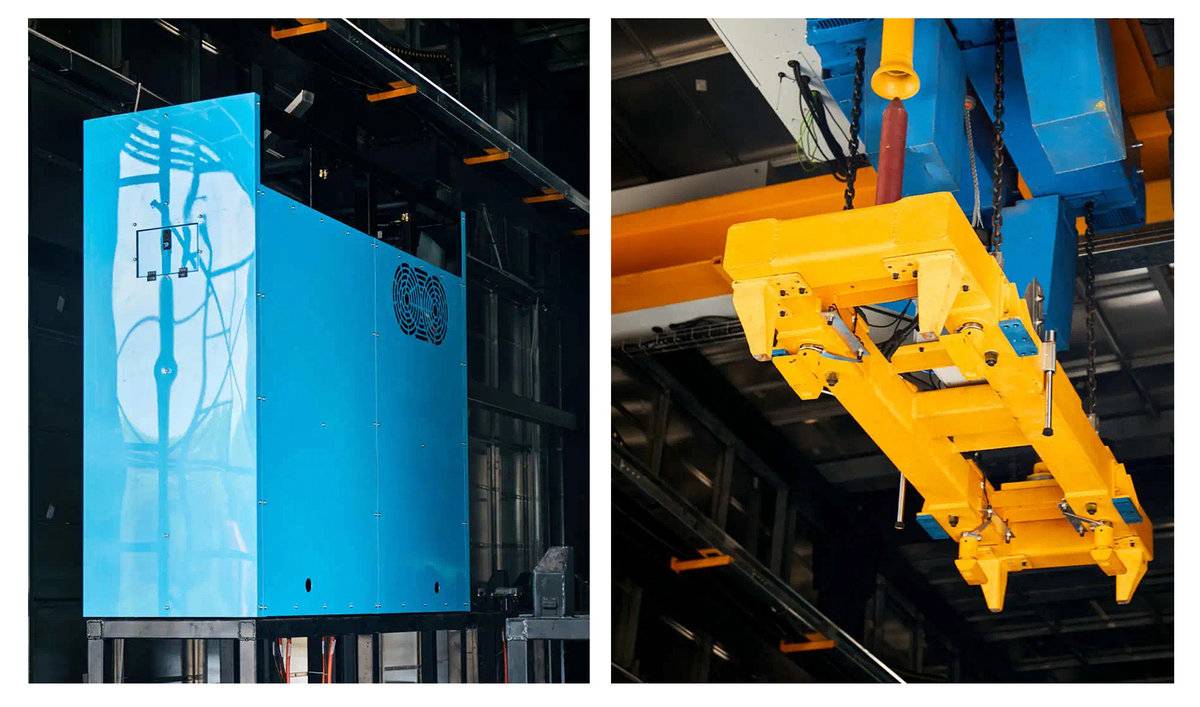
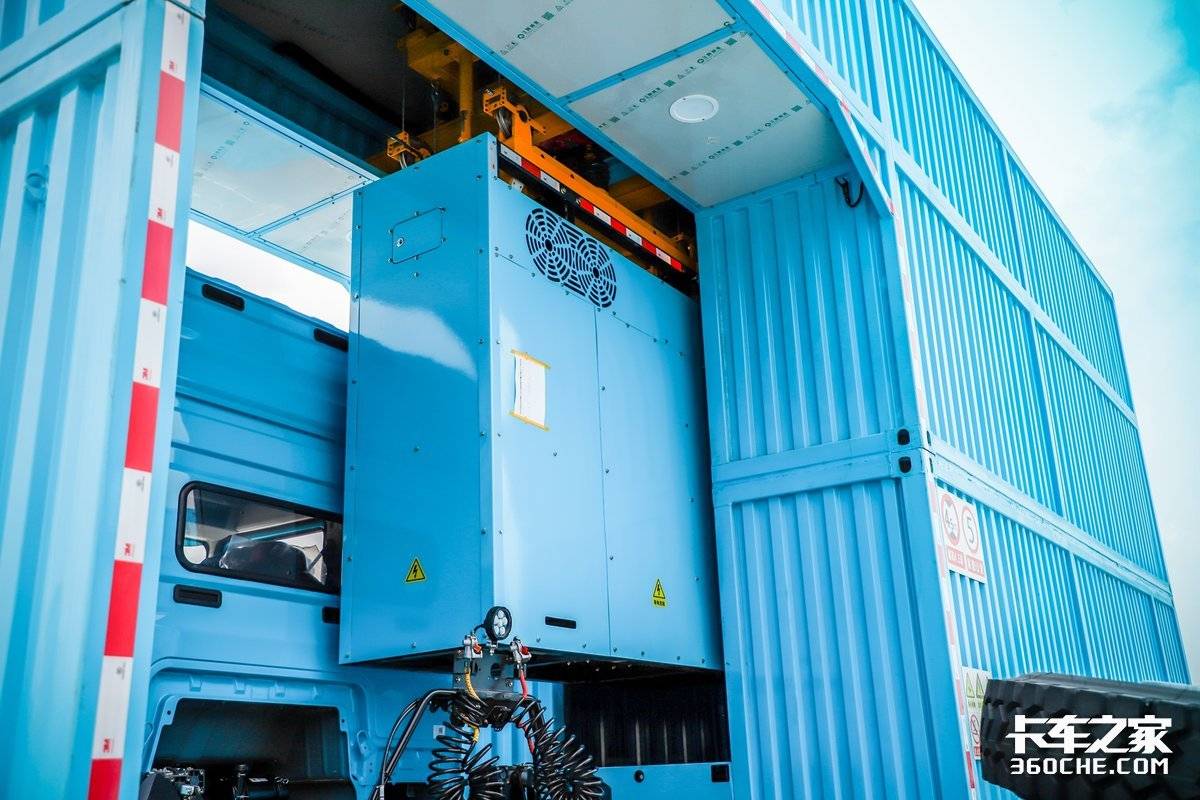
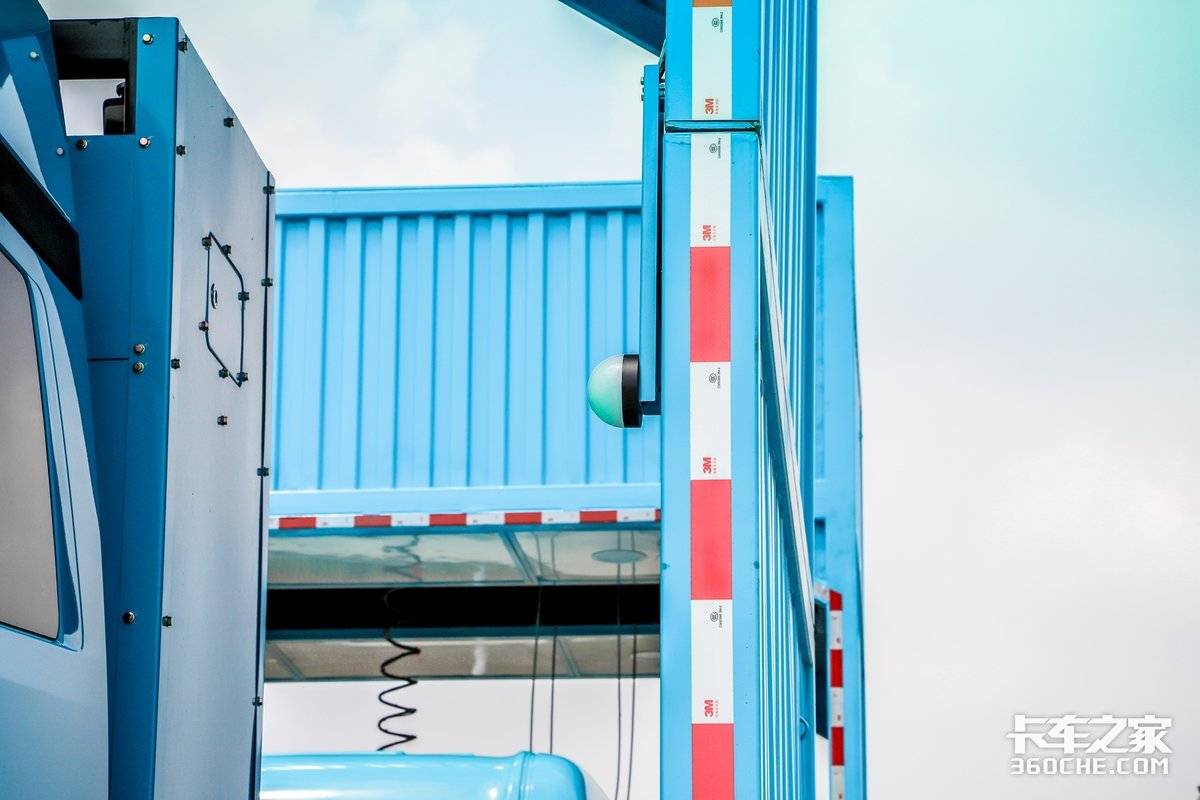
The core behind these data is "integration and modularization". The main body of Sany Mini Station is composed of upper and lower containers. The size of the whole station is 10.7m in length, 3.3m in width and 6m in height. In general, the fixed height of the top replacement electrical channel is 4.5 meters. In order to realize the installation of the replacement trolley, hanger, battery bottom bracket and track in the remaining 1.5 meters space, Sany Heavy Truck has independently developed and designed this, thus realizing the high integration of the replacement parts and reducing the height.

The investment is no more than 1 million and look at the new technology of Sany Power Station.

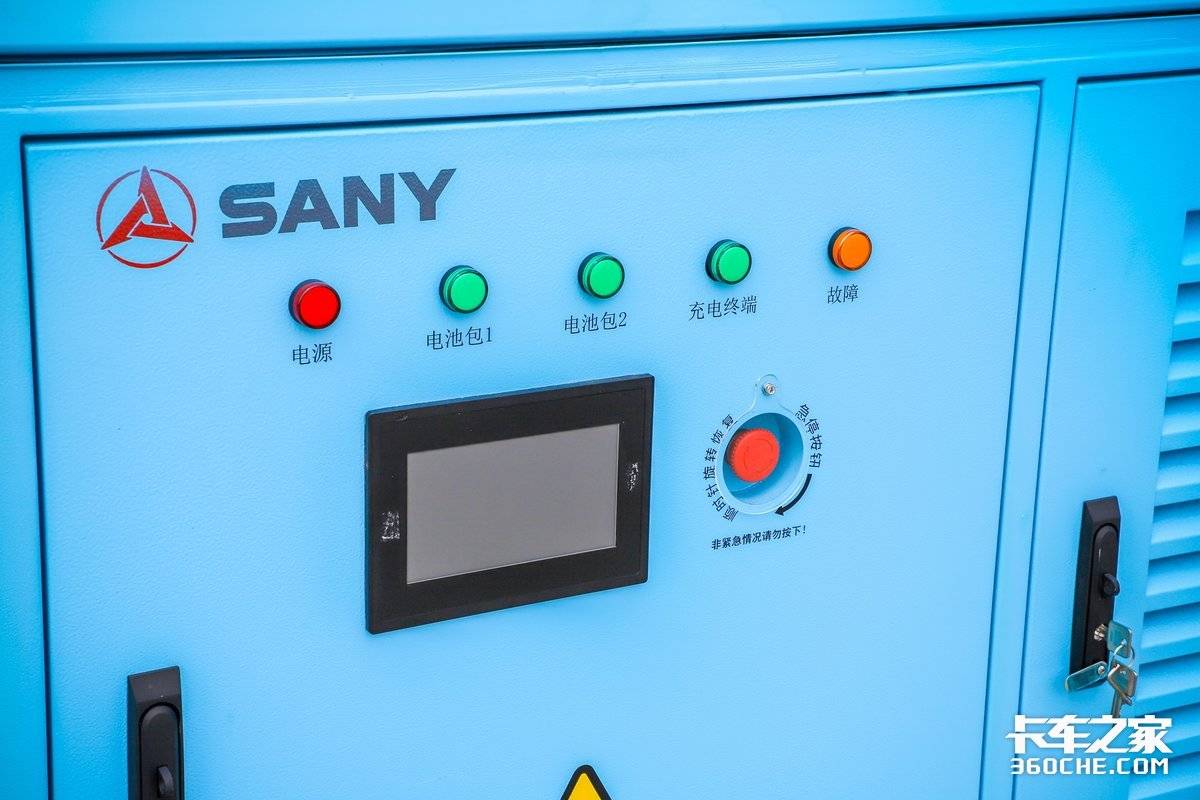
In addition, in terms of integration and modularization, Sany Heavy Truck has highly integrated main components such as main control cabinet, station control cabinet, charging unit and charging terminal in the mini station through independent research, development, design and testing, thus realizing the "reduction" of the overall size, covering an area of only 35.3 square meters.

The service mileage of 14000km can meet the operation of 10-30 cars.

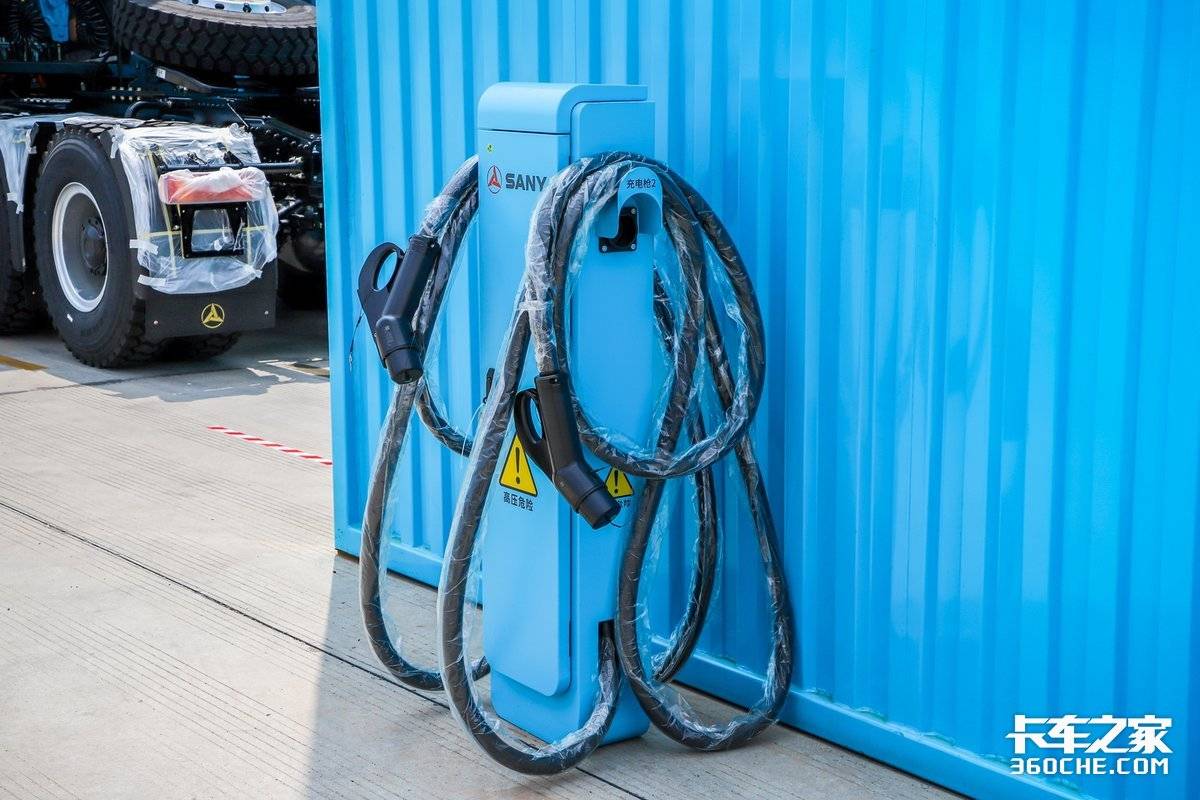
As for the charging and replacing capacity of Sany Mini Station, just like its J321 name, it has three charging positions, two charging terminals and a buffer position, which can supply five batteries at the same time, and the battery replacement time for a single vehicle is less than 5 minutes. More importantly, it can charge and replace 22400kWh in a single day. What does this mean? We calculate the power consumption per kilometer of trams at a relatively high rate of 1.6kWh/km. This station can provide 14000km of service capacity for the fleet every day, which can easily cover the charging and replacing needs of a small fleet of 10-30 vehicles.

It is reported that the whole station of Sany Mini Station is equipped with three batteries for the vehicle to quickly change power, while the external two charging terminals can quickly charge two cars. So, can the speed of replenishing energy at Sany Mini Station keep up with the rhythm? This involves a particularly intelligent technology-flexible distribution of charging power.

The investment is no more than 1 million and look at the new technology of Sany Power Station.

Flexible charging pile is actually a kind of high-power and high-efficiency charging equipment, which mainly consists of two parts: charging main cabinet and charging terminal. Flexible distribution of charging power can be realized through electronic control system. In the power exchange station, when multiple battery packs need to be charged at the same time, the system will reasonably distribute the output power according to the different charging power required by each battery pack, so as to quickly complete the charging and replacing, which can effectively improve the utilization rate and turnover rate of the charging unit.

The investment is no more than 1 million and look at the new technology of Sany Power Station.

There are two 600kW charging cabinet in Sany Mini Station. Through intelligent and flexible charging strategy, the charging power of each charging station can be dynamically adjusted independently, and the charging power of a single station can reach 300kW at the highest. Its flexible charging strategy is to meet the charging and replacing requirements of the battery pack in the station first, and then distribute the remaining power to the external charging terminal.

For example, it gives priority to allocating more charging power to the battery pack in the station. When the battery pack in the station is fully charged, the external charging terminal can dynamically increase the charging power to 300kW. In this way, the utilization rate of the charging unit can be improved more efficiently, thus reducing the investment of the high-power charging unit.

Accurate positioning and power change will be done in 5 minutes.

Maybe everyone is curious, how does such a power exchange station realize rapid power exchange? Combined with the power exchange process of Sany mini-station, it roughly includes the steps of vehicle authentication, accurate positioning, battery disassembly and replacement, etc. The whole process is all automatic, and it can be done in 3-5 minutes, even without losing the refueling time of the fuel car.

The investment is no more than 1 million and look at the new technology of Sany Power Station.

As we all know, commercial vehicles, as production tools, have extremely harsh working environment. Apart from standard roads, unpaved roads are also their main battlefields. In this case, it is very likely that the top of the battery pack will be covered with dust and snow, which will lead to the positioning error of the battery pack. To this end, Sany Heavy Truck has carried out tests and "visual recognition training" in different venues and different climatic conditions, thus realizing the rapid power exchange of electric heavy trucks.

The investment is no more than 1 million and look at the new technology of Sany Power Station.

What kind of technology is behind this speed? There are two key points here, the accurate positioning of the vehicle and the battery pack, and the automatic unlocking of the battery pack base. First of all, Sany Mini Station determines the position of the vehicle and battery pack through the combination of remote sensing positioning system (3D camera, ultrasonic sensor)+voice prompt system+guide light. Its highlight lies in a large number of scene tests and picture training, even if the vehicle is under different lighting conditions and different obstacles, it is also applicable.

The investment is no more than 1 million and look at the new technology of Sany Power Station.

For the driver, the operation is also extremely simple. If there is an error in the parking position during the vehicle parking process, the voice and visual detection scheme can provide better guidance for the driver in time. After the parking is completed, the battery automatic charging/unlocking technology independently developed by Sany Heavy Truck can realize automatic power change in the whole process without additional operation.

The investment is less than 1.5-2 years.

From the perspective of investment in fixed assets, the investment in power station replacement mainly focuses on three aspects: equipment replacement, line investment and battery investment. Compared with the multi-million-dollar investment in large-scale power exchange station, the minimum investment of Sany Mini Station is less than 1 million (the power exchange station does not contain batteries) and the investment cycle of 1.5-2 years is obviously more attractive. So, what efforts has Sany Mini Station made in "helping customers reduce investment costs"?

The investment is no more than 1 million and look at the new technology of Sany Power Station.

Higher utilization rate:There is a very important concept in the operation of power station, utilization rate. If the overall utilization rate of a large-scale power exchange station is not high, there are few power exchange vehicles and the frequency of power exchange is low, it will lead to a long return period and even serious losses. According to reports, for the customer group with 10-30 vehicles and a single day’s charge and exchange capacity of no more than 22400kWh, the utilization rate of Sany Mini Station can even reach over 80% in some operating scenarios, which can realize quick return.

The investment is no more than 1 million and look at the new technology of Sany Power Station.

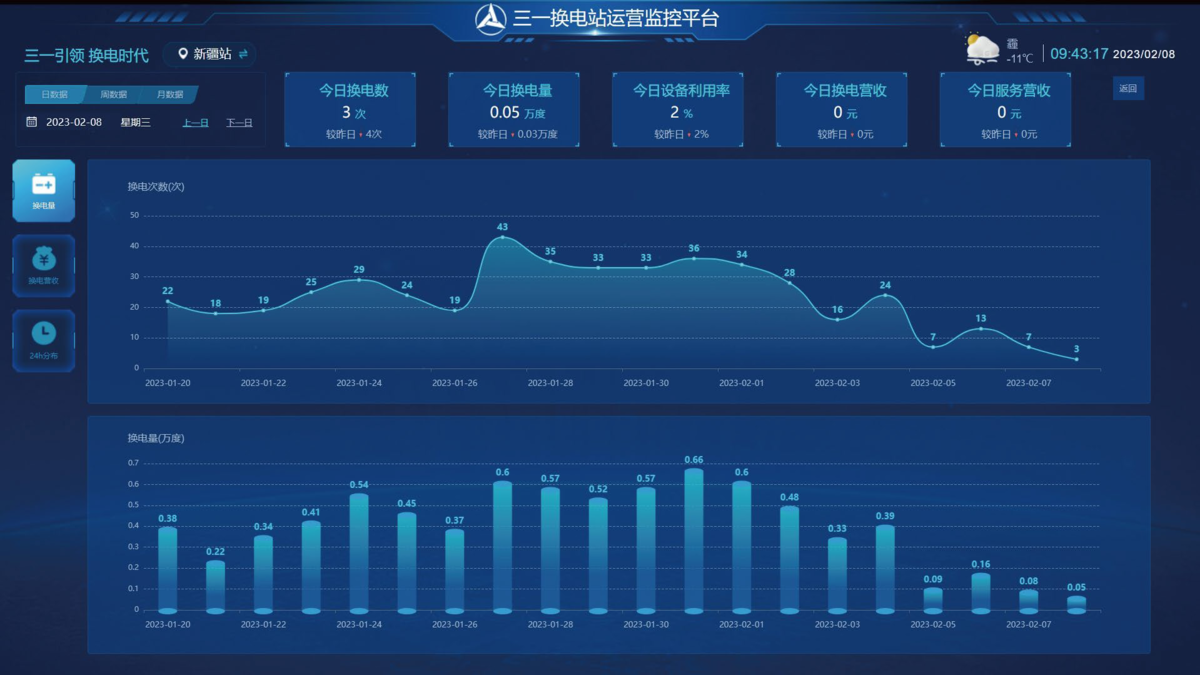
Moreover, while satisfying the charging and replacing of its own fleet, Sany Mini Station can also realize the charging and replacing of other Sany electric heavy truck fleets by scanning code payment, thus improving the utilization rate of power replacement. At the same time, on the operation monitoring platform of Sany Power Station, the data analysis of vehicle/station management can be provided for users, including the charging and replacing times, charging and replacing degrees, charging and replacing costs and other data, which can provide customers with the calculation basis of investment return.

The investment is no more than 1 million and look at the new technology of Sany Power Station.

Flexible combination of in-station configurationThe whole station of Sany Mini Station is independently developed and manufactured by Sany Heavy Truck, mastering the core technologies such as electric control system, station control system, charging system and guidance system, with more controllable cost, economy and practicality. In addition, the flexible configuration combination of mini-stations also provides more possibilities for reducing investment costs.

The investment is no more than 1 million and look at the new technology of Sany Power Station.

For example, the flexible charging cabinet of Sany Mini Station can reduce the investment cost of high-power charging equipment under the condition of meeting the use requirements. The whole station only needs 1200kW charging cabinet to meet the needs of six charging stations; The further optimization of the guiding system of the power exchange channel and the reduction of unnecessary low temperature package selection in the normal temperature operation area can also achieve good cost control. Under the corresponding transportation environment, through the optimization of these "non-essential" options, the investment cost of mini-station is greatly reduced.

Various modes of cooperation:For customers who have financial pressure in the short term, Sany Heavy Truck has also launched a variety of cooperation modes, which can be bought, rented and combined. In addition to Sany’s assistance in building a station to invest in equipment and batteries, and providing customers with charging and replacing services at a very low service fee, we can also reduce the pressure on assets in a more flexible way through BOT mode (Sany Heavy Truck’s self-built power station-operation-transfer operation mode) to help customers shift heavy asset investment to asset-light strategy.

What’s the conclusion

From January to July, 2023, a total of 13,981 new energy heavy trucks were sold, of which 6,624 were replaced by electric heavy trucks, accounting for 47.38%, and they went hand in hand with pure electric heavy trucks to rank among the first echelon of new energy heavy trucks. In the long run, with the steady recovery of the economy, the application scale of heavy trucks for charging and replacing electricity will be expanded in the transportation field of iron and steel plants, electric coal plants, port enterprises and urban engineering construction enterprises. Under the background of steady climbing of utilization rate, the asset attribute of power station operation will change from heavy to light, with faster return period and stronger profitability.

Especially for Sany Mini Station, a charging and replacing power station with small floor space, strong charging and replacing power, and quick investment return period, it will be able to compete with governors and fight for the sky in the future. (Video/Trinity Card Friends House)

The GDP of 15 sub-provincial cities in China in 2022 was all released.

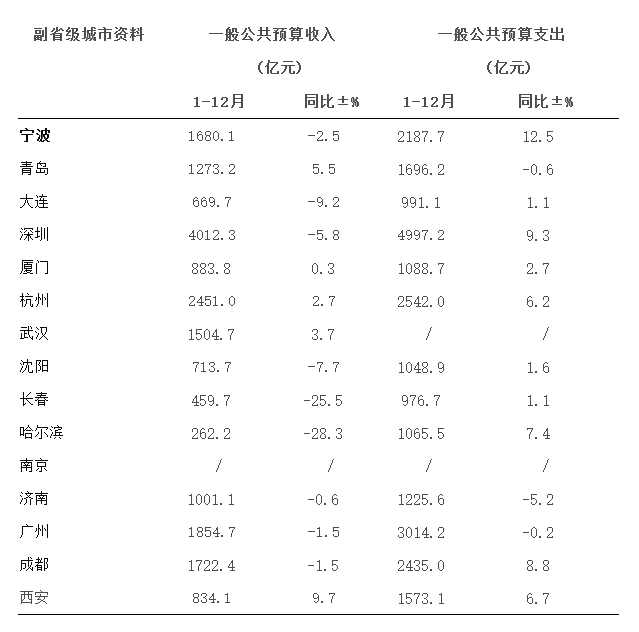
  The website of Ningbo Municipal Bureau of Statistics recently published "Data of Sub-provincial Cities in 2022", which summarized the regional GDP, growth rate and general public budget revenue of 15 sub-provincial cities in China in 2022.

  Screenshot of Ningbo Municipal Bureau of Statistics website

  Screenshot of Ningbo Municipal Bureau of Statistics website

  Screenshot of Ningbo Municipal Bureau of Statistics website

  Among the 15 cities, Shenzhen (3,238.77 billion yuan), Guangzhou (2,883.90 billion yuan) and Chengdu (2,081.75 billion yuan) have GDP exceeding 2 trillion yuan. There are seven cities with GDP between 1 trillion and 2 trillion, namely Wuhan (1,886.64 billion yuan), Hangzhou (1,875.30 billion yuan), Nanjing (1,690.79 billion yuan), Ningbo (1,570.43 billion yuan), Qingdao (1,492.08 billion yuan), Jinan (1,202.75 billion yuan) and Xi ‘an.

  Among other sub-provincial cities, the GDP of Dalian is 843.09 billion yuan, that of Xiamen is 780.27 billion yuan, that of Shenyang is 769.58 billion yuan, that of Changchun is 674.46 billion yuan, and that of Harbin is 549.01 billion yuan.

  Among the 15 sub-provincial cities, the economic growth rate of Xi ‘an (4.4%), Xiamen (4.4%), Wuhan (4.0%) and Dalian (4.0%) broke through, and the growth rate of Changchun was -4.5%.

  In terms of general public budget revenue, except for Nanjing, where data is missing, 9 of the 14 cities experienced negative growth, of which Harbin’s general public budget revenue last year was 26.22 billion yuan, with a growth rate of -28.3%, and the general public budget expenditure was 106.55 billion yuan, with a growth rate of 7.4%.