Anti-China demonstrations broke out in Turkey, and many travel agencies in China: travel to Turkey has not been affected yet.

The Embassy of China in Turkey issued a travel warning in response to the recent frequent demonstrations against the China government in Turkey.
"Recently, there have been many anti-China demonstrations in Turkey. Meanwhile, some tourists in China were harassed. The Embassy and Consulate of China in Turkey reminded citizens in China to pay attention to safety precautions, not to approach or photograph parades, and to minimize going out alone. In case of emergency, please call the police or contact the embassy or consulate in Turkey for assistance. " The National Tourism Administration released the above information at 8: 48 pm on July 5 to remind China tourists.
On July 6th, The Paper (www.thepaper.cn) reporter learned from many domestic travel agencies that Turkish tourism has not been affected yet. Ctrip Travel, Tongcheng Travel and Spring and Autumn Travel all indicated that they have informed the tour leaders and free travellers in Istanbul, Turkey to pay attention to safety, avoid the parade area, and will always pay attention to the development of the situation and make a positive response. "We remind tourists not to leave the team to act alone, meet the parade, listen to the leader and the local tour guide, don’t look, don’t listen, don’t take pictures, and everything comes first with safety." The person in charge of Spring and Autumn Tourism said.
Since February, 2015, Turkey has implemented a new electronic visa policy for China citizens, which no longer requires the preconditions of Schengen countries or OECD countries to issue visas, and the number of tourists visiting China in Turkey has greatly increased, forming a "Turkish tourism craze".
According to the head of the European Department of a large domestic tourism agency, the number of tourists visiting Turkey in the first half of 2015 increased by more than 30% compared with the same period of last year, including Istanbul, Cappadocia, Izmir and Ankara, which are all favorite cities or scenic spots for China tourists.
According to the Global Times, on July 4th, hundreds of Turkish demonstrators staged a protest against China in the old town of Istanbul, mistaking Korean tourists for Chinese and attacking them. The Turkish police who arrived at the news fired tear gas to disperse the attackers, which saved the Korean tourists. According to the report, demonstrators wielded machetes at the people present that day, and some tourists from China were injured.
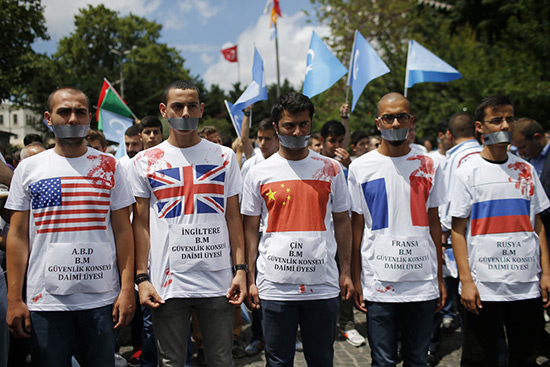
The demonstration in Turkey was initiated by a very small number of local ultra-nationalists. According to Xinhua News Agency, a few Turkish media quoted foreign media reports that Xinjiang banned some Muslims from "fasting", and then related reports were hotly speculated on social networking sites such as Twitter and Facebook.
Although the China Embassy in Turkey issued a statement on the 2nd, it was totally untrue that foreign media and people claimed that Xinjiang prohibited Muslims from fasting and performing religious ceremonies during Ramadan. However, a few Turkish nationalists still took the opportunity to speculate and launch anti-China demonstrations.
The head of the European Department of a large domestic tourism agency said, "If Turkey allows the anti-China demonstrations in Istanbul to develop, the current’ Turkish fever’ of China tourists is estimated to be greatly reduced."