The unfinished Arctic plan of the former Soviet Union was included in the Russian national railway transportation development strategy with a new name.
Original punch, a polar bear circling the planet.
Text/punch a polar bear
Photo: Review-Crab Yellow Fishing Rice, Making -8
Cover picture: Yitu. com
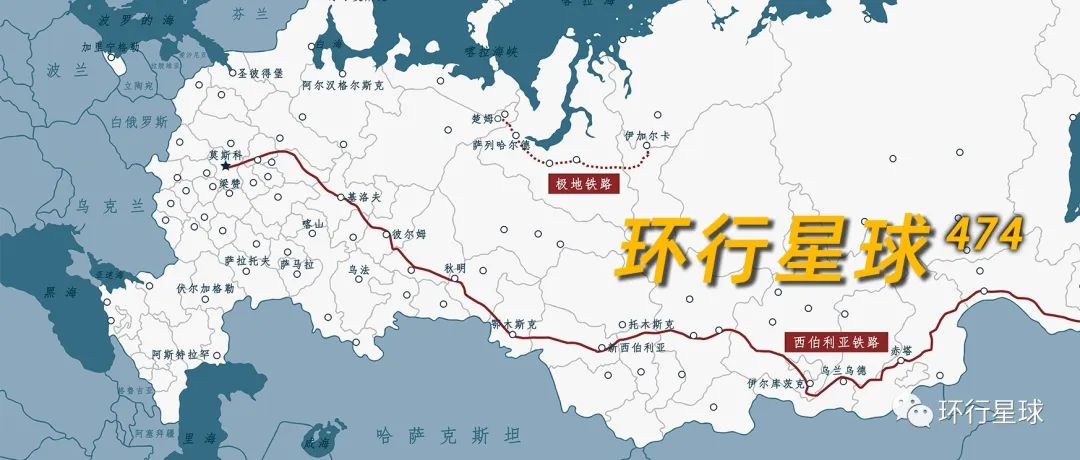
Russian Polar Railway, also known as Salle Hald-Igalka Railway, Death Railway and Stalin Railway. This is an unfinished railway in northern Siberia, Russia.
Strictly speaking, there is no official name for this road. The only official name in the literature is related to the two "railway construction labor camps" under the management of the Ministry of Internal Affairs of the Soviet Union, namely №501 and 503 labor camps. Therefore, the polar railway is often called Project 501 because of the number of the former (to be exact, only the name No.501 site appears in the official documents).
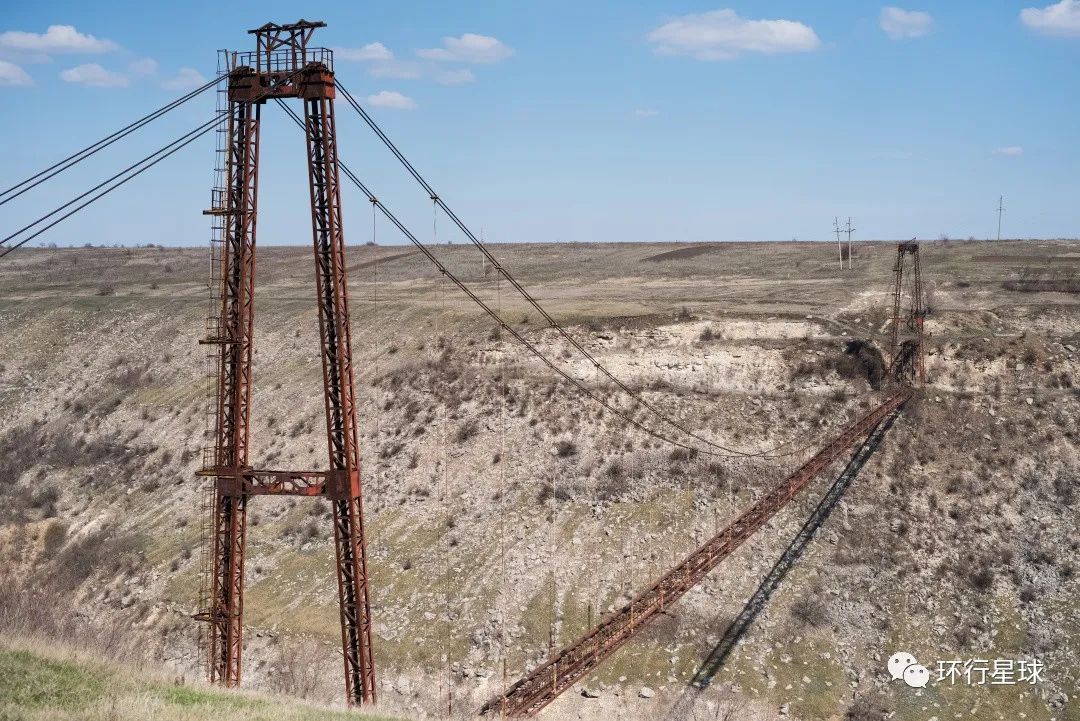
Abandoned railway
Figure: shutterstock
▾
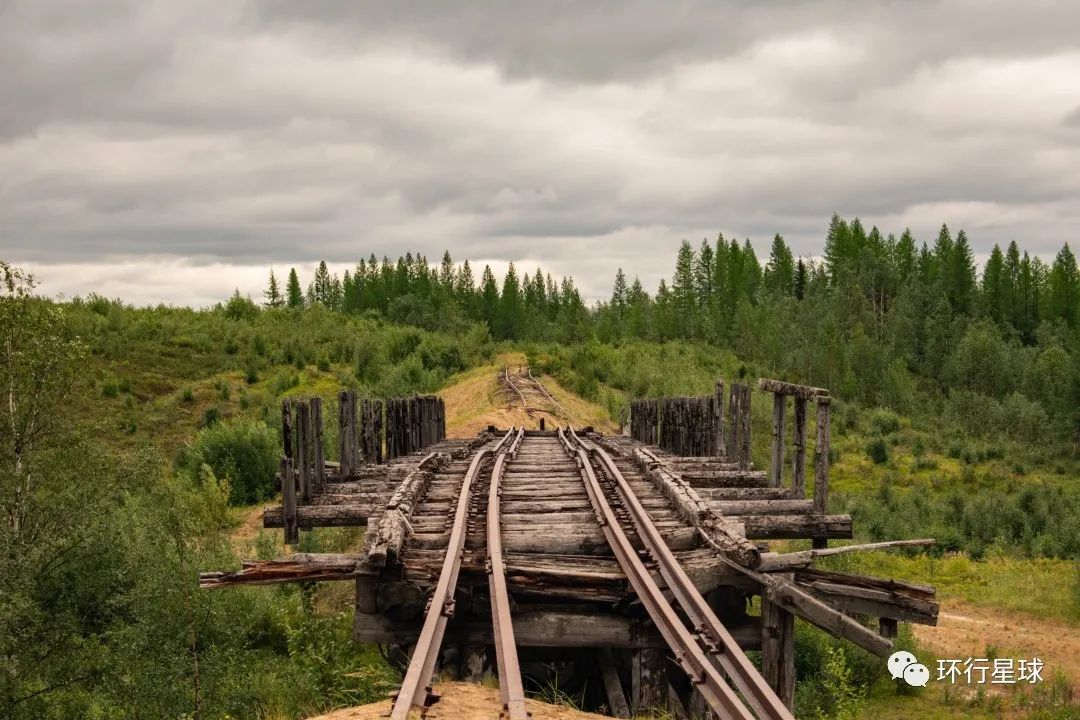
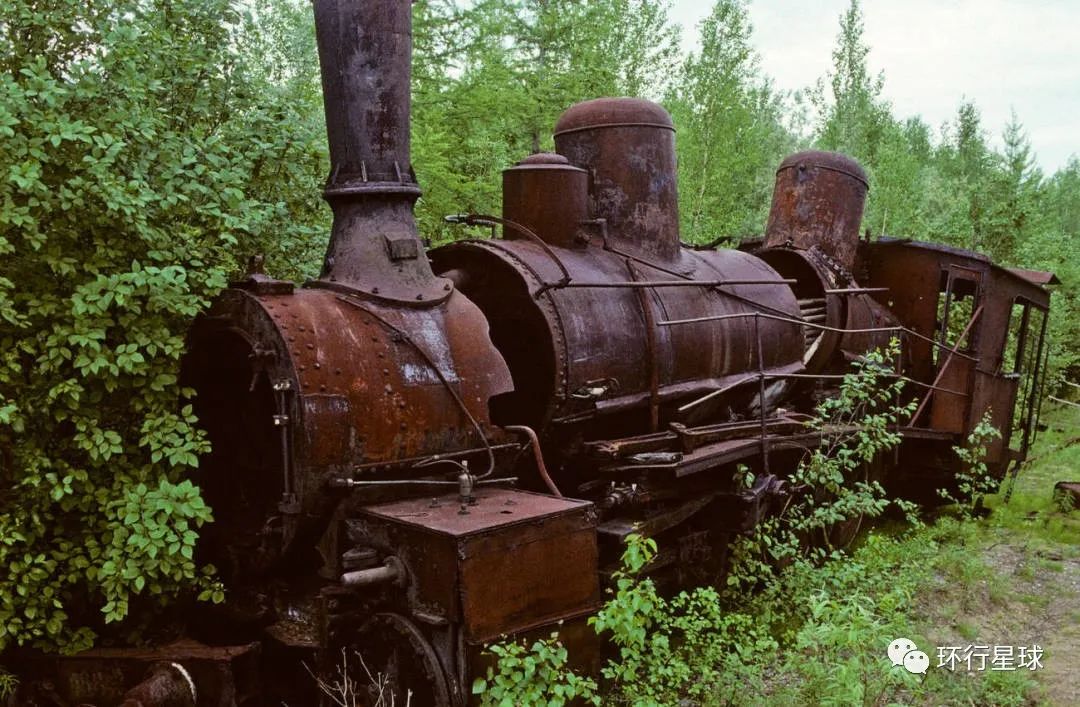
Old equipment was abandoned in the wilderness.
Figure: Yitu.com
▾
The idea of the railway came from the father himself. In World War II, the father deeply realized that the two main ports in northern Russia, Murmansk and Arkhangelsk, were too close to the northern border of the Soviet Union, and this threat to the national security of the Soviet Union was not completely lifted because of the victory of World War II.
Figure: Network
▾
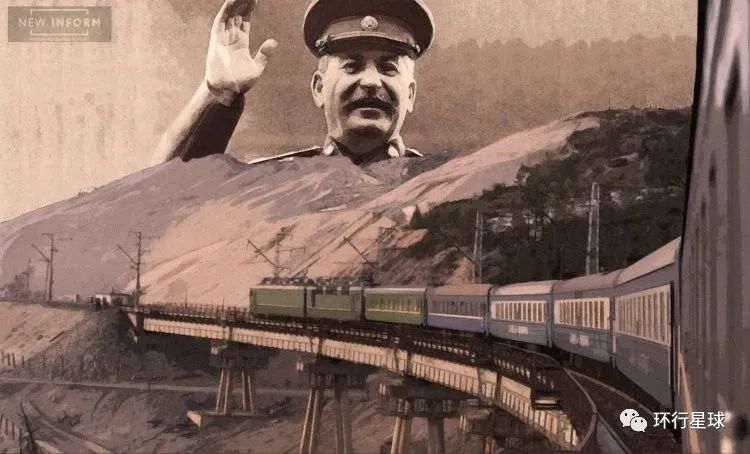
Figure: shutterstock
▾
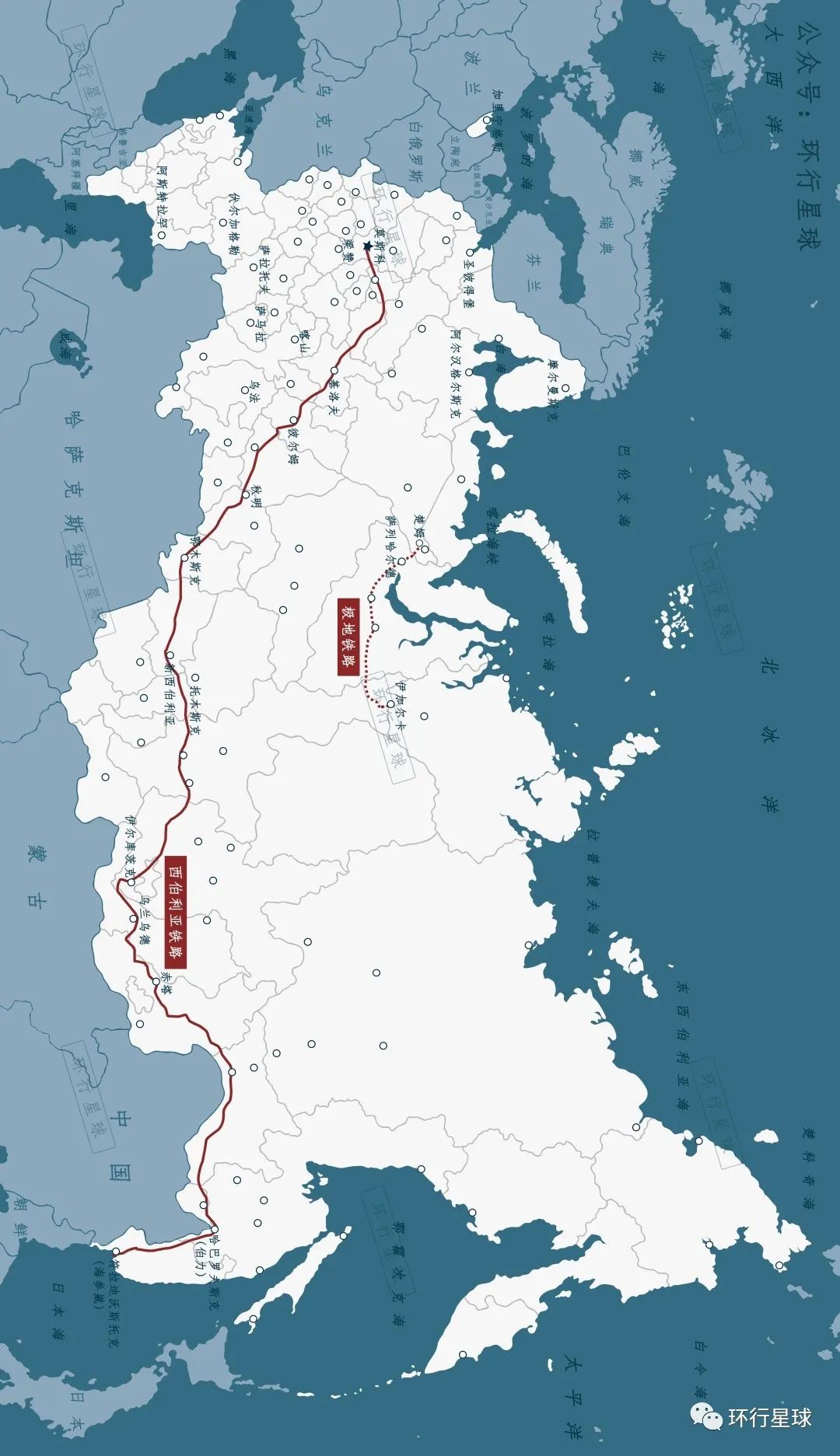
In order to improve the viability of the northern outlet of the Soviet Union, Obi Bay was chosen as an alternative outlet, because several important ports can be built in the bay. However, an unprecedented northern railway is needed to connect the deserted bay with some European cities in order to make this ob river Arctic Ocean inlet really work.
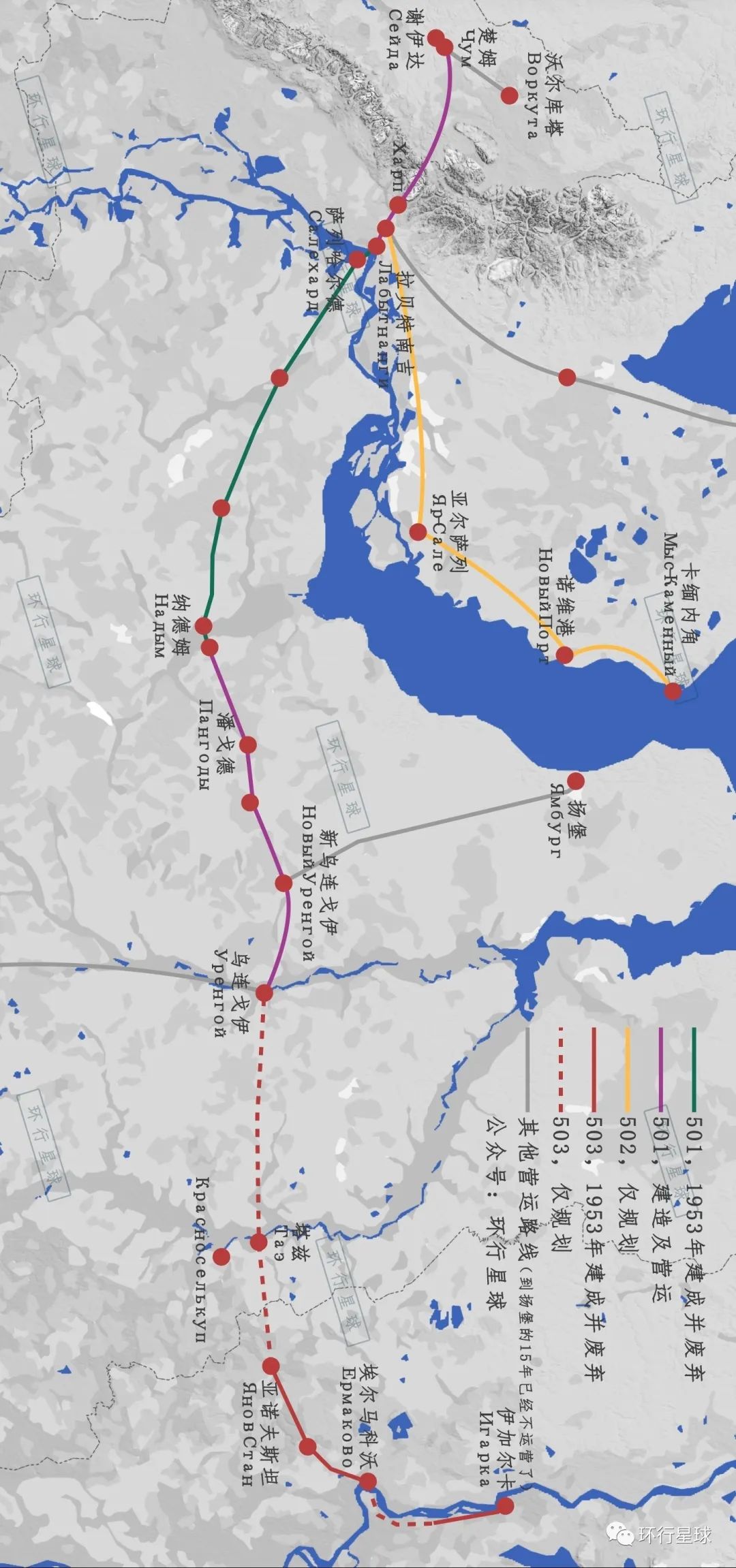
In the plan of "Fatherly Father", it will be a railway with a length of 1,290 kilometers, passing through Chum-Rabetangi-Salee Hald-Nadum-Iagar Naya-Poole-Taz-Yanov Stan-Elmakovo-Igalka. In the plan, the railway crosses ob river and Yenisei River in the cold zone of high latitude, and also connects Salee Hald and Igalka in series.
The planned Arctic Railway also includes feeder lines.
The three reform-through-labour camps are in charge of each other and opened at the same time.
Figure: WIKI
▾
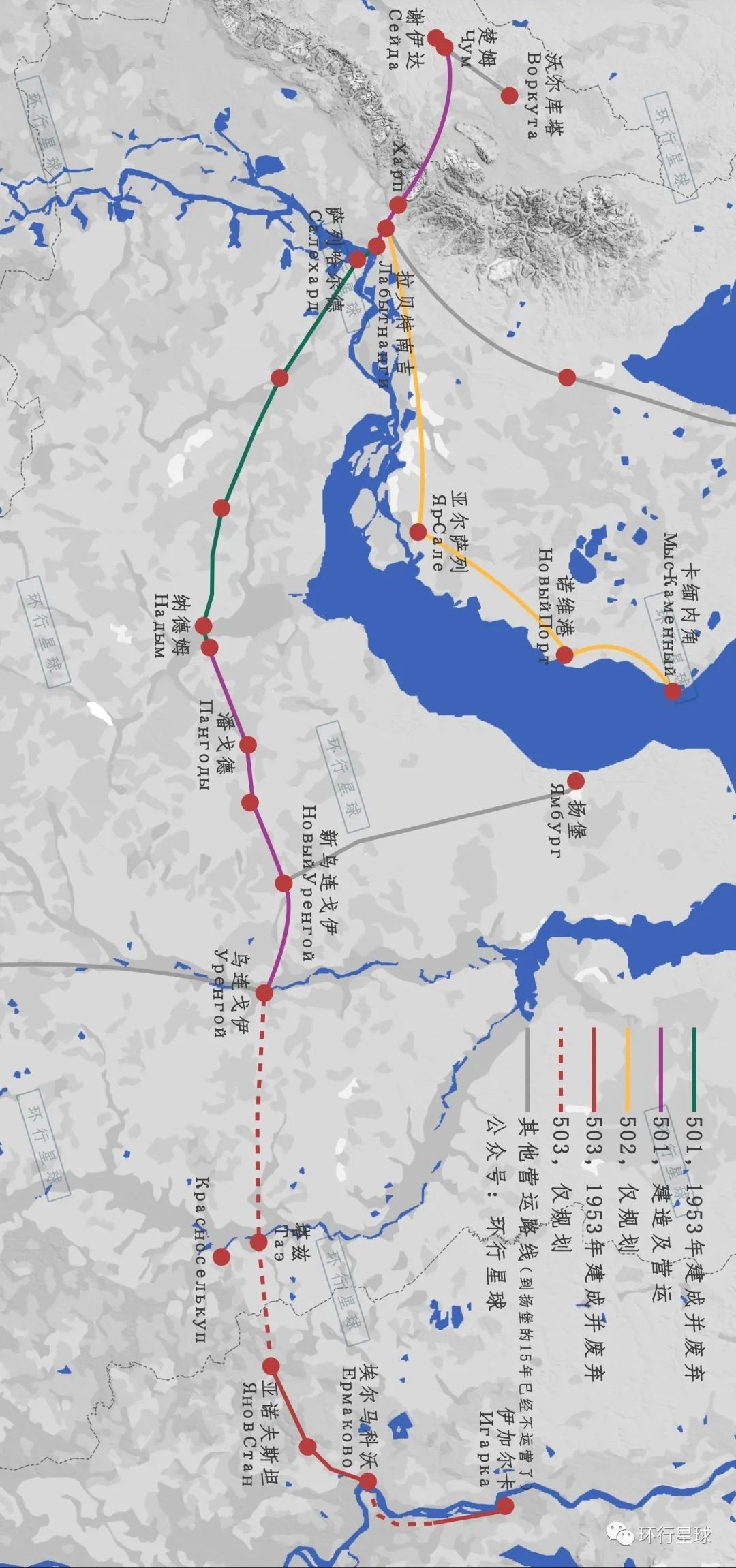
On January 29th, 1949, the Central Committee of the CPSU issued the order №384 -135сс. This steel artery in the Arctic no man’s land began to be pieced together by human beings in the vast virgin forest.
The Soviet Union invested in three labor camps for this railway, 501, 502 and 503(502 is in charge of a branch line). There are criminals, political prisoners and "Trotskyites who are the most evil" in these labor camps. At the peak of this construction project, 80,000 to 120,000 laborers were concentrated, and even some exaggerated claims that 300,000 people participated in the project.
At that time, along the railway, there was a camp head about 7-12 kilometers away from each other, and it was probably the first time in history that so many primates lived densely at the same time in the Arctic region.
Figure: Network
▾
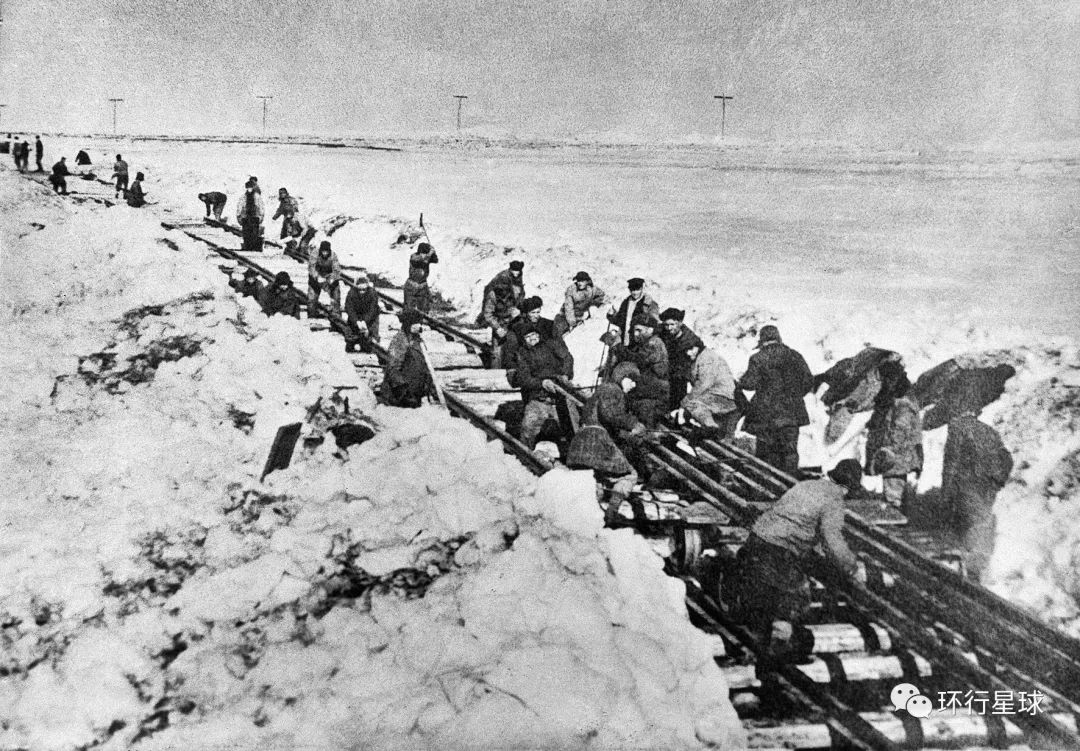
At first, the construction conditions of this highway were very difficult:
The construction site doesn’t even have basic safeguard facilities. They have to work all day in winter-in the cold of the Arctic, but in summer-and face swamps and countless mosquitoes after the frozen soil melts.
For a long time, both hired freemen and prisoners were not even assigned wooden shacks, but lived in their own dug holes or tents with iron stoves for heating.
Figure: shutterstock
▾
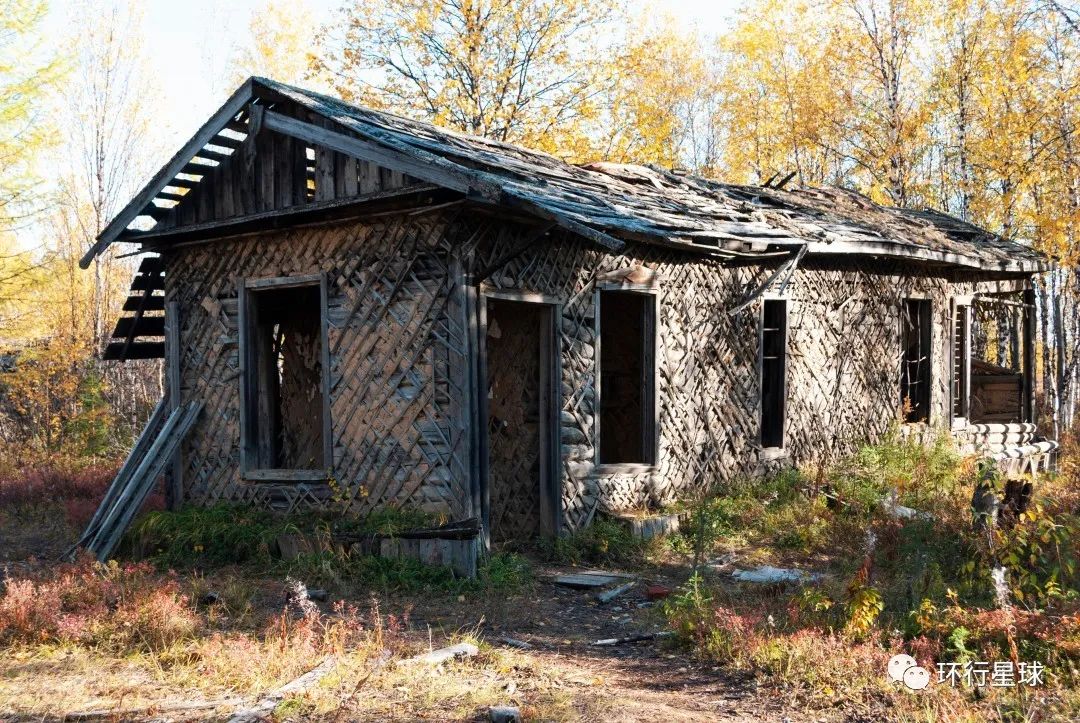
Figure: Yitu.com
▾
According to an oral history essay by a survivor, Alexander Snovsky, the prisoner received a ration of 200 grams of bread and a cup of hot water every day.
Although the conditions were very bad at that time, the construction workers got hot meals and tried to adapt to the local conditions: short fur coats, felt boots and gloves. The construction site even has its own mobile cinema. Of course, cultural activities may be held frequently in the main security stronghold like Salee Hald.
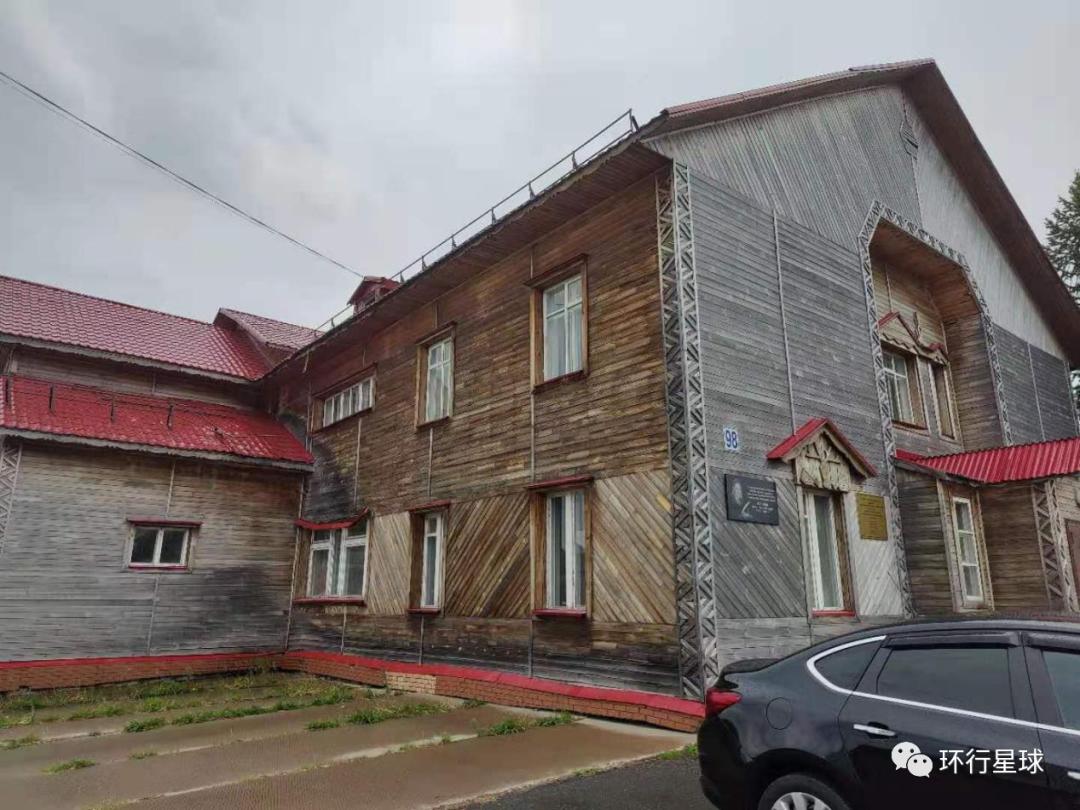
I am indeed in Salem Hald.
I witnessed the theater built for these workers in those years.
And mobile cinemas are certainly possible.
Photo: Author
▾
On the other hand, for example, around the camp at that time
People found the empty bottles of canned braised pork.
Photo: Amos Chapple
▾

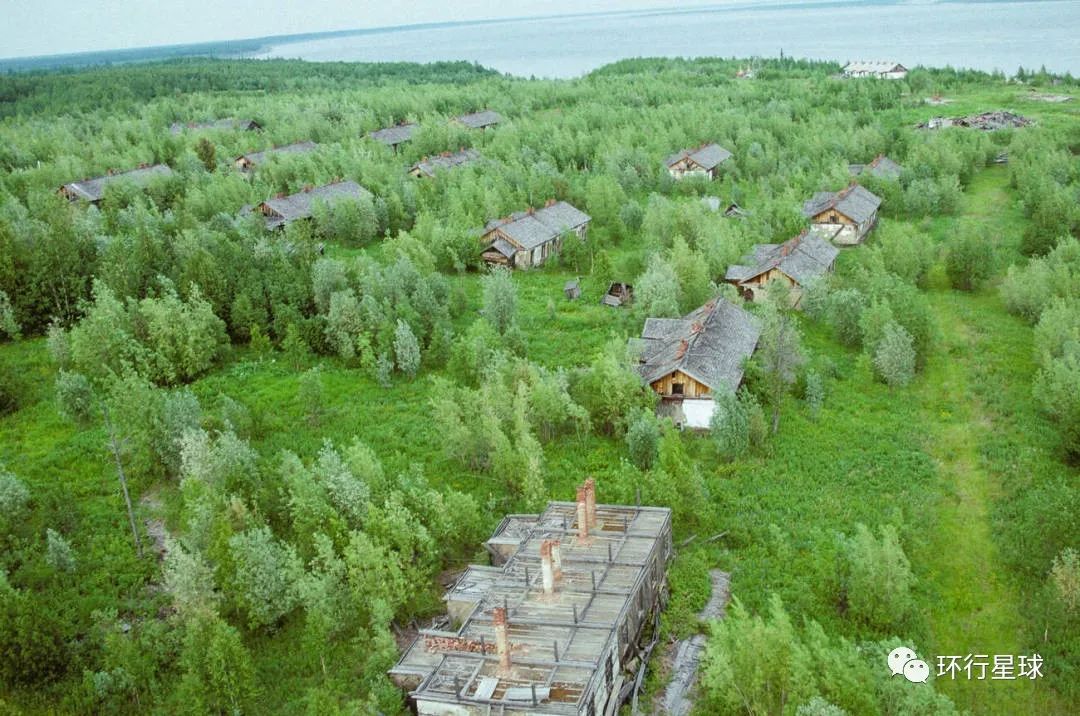
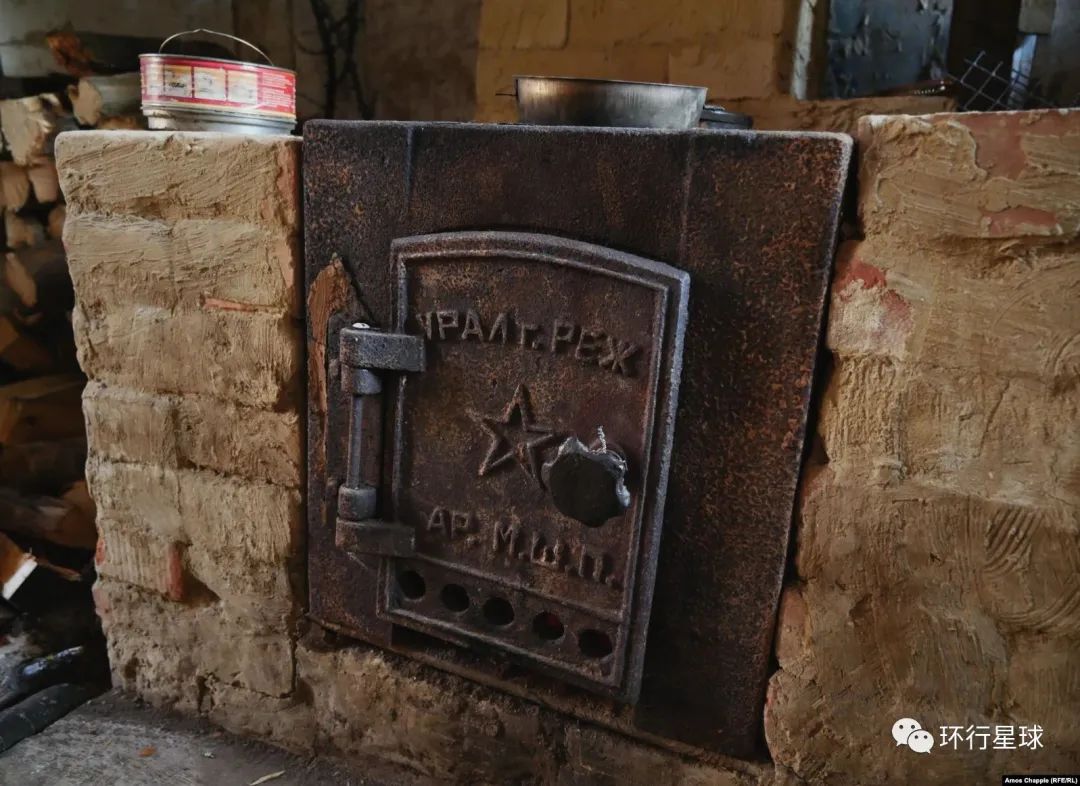
Later, some camps were also established, which were barracks of reform-through-labour camps. However, the natural environment is still very difficult, and we can’t assume that all camp guarantees are sufficient. Something can help us prove this.
A cast iron coal stove used to keep the house warm.
Photo: Amos Chapple
▾
A mask made of rags is used to resist facial frostbite in the coldest weather.
Photo: Amos Chapple
▾
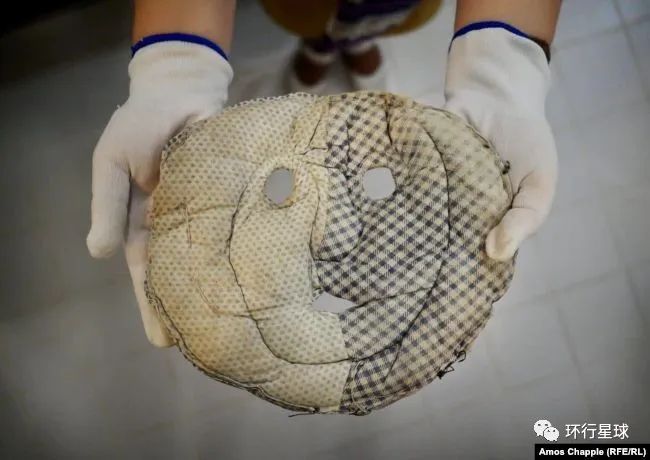
In the environment of MINUS 40 degrees, it is very unpleasant to live in a board house, but there is still a special brig in the camp.
According to the fragments in some of the most sensational essays, it is said that because there are both men and women in the labor camp, and men and women live separately, men bottle their own water of life and give it to women to help them get pregnant, so as to avoid labor.
Such an idea is so bold that it touches my blind spot of knowledge. I don’t even know if this is medically feasible.
The best preserved house today.
Usually the brig at that time.
Pictures: игорϨчапалов
▾
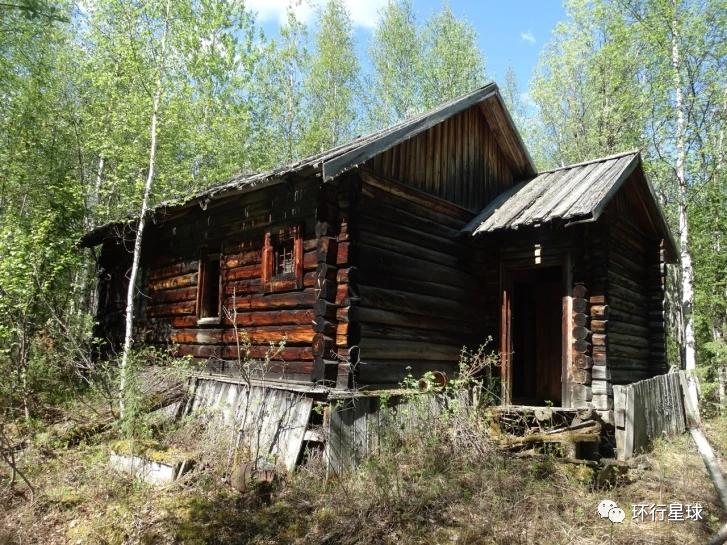
However, after Stalin’s death in 1953, Khrushchev thought it was a meaningless labor-consuming project and part of Stalin’s authoritarian project of personal worship. The project was suspended, and only 600 kilometers of railways were planned to be built.
On the other hand, such a project is bound to be accompanied by the death of some people, especially in the absence of heavy machinery in the Arctic, natural climate, accidents and diseases will take people’s lives. But so far, the large-scale cemetery that some people or some media so-called propaganda have never been discovered by researchers or local residents, so the death toll in almost all articles and information sources is unreliable, although this does not prevent them from continuing to criticize Stalin.
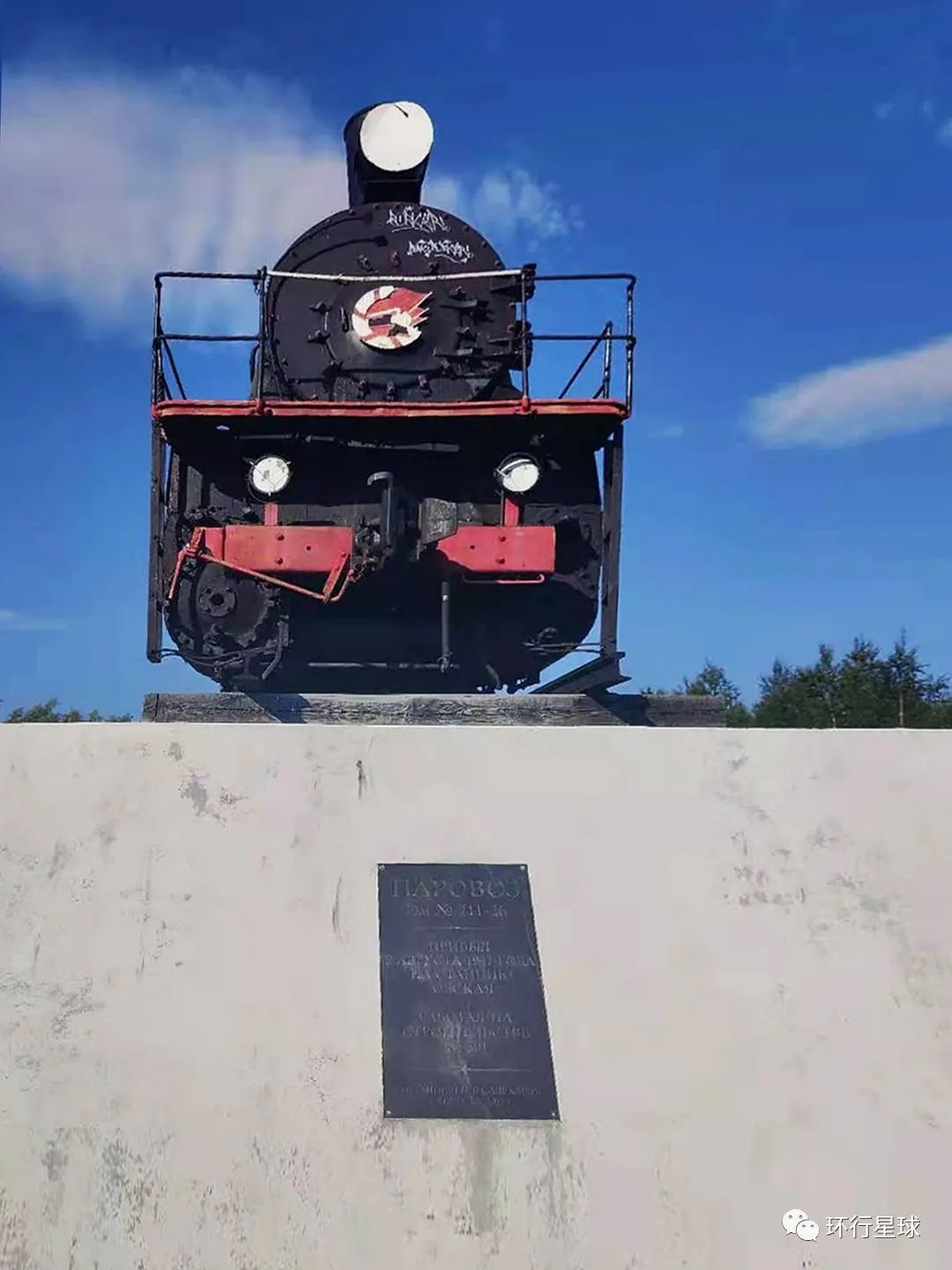
The Arctic Railway Monument in Salem Hald.
Preserved the railway locomotives at that time, and also wrote "humanitarianism"
However, in any case, after hard work and life.
Most of the railway lines are still abandoned.
Photo: Author
▾
In 1917, before the revolutionary era
Rails cast in Demidov factory
It was also used in the construction of the Arctic Railway.
Photo: Amos Chapple
▾
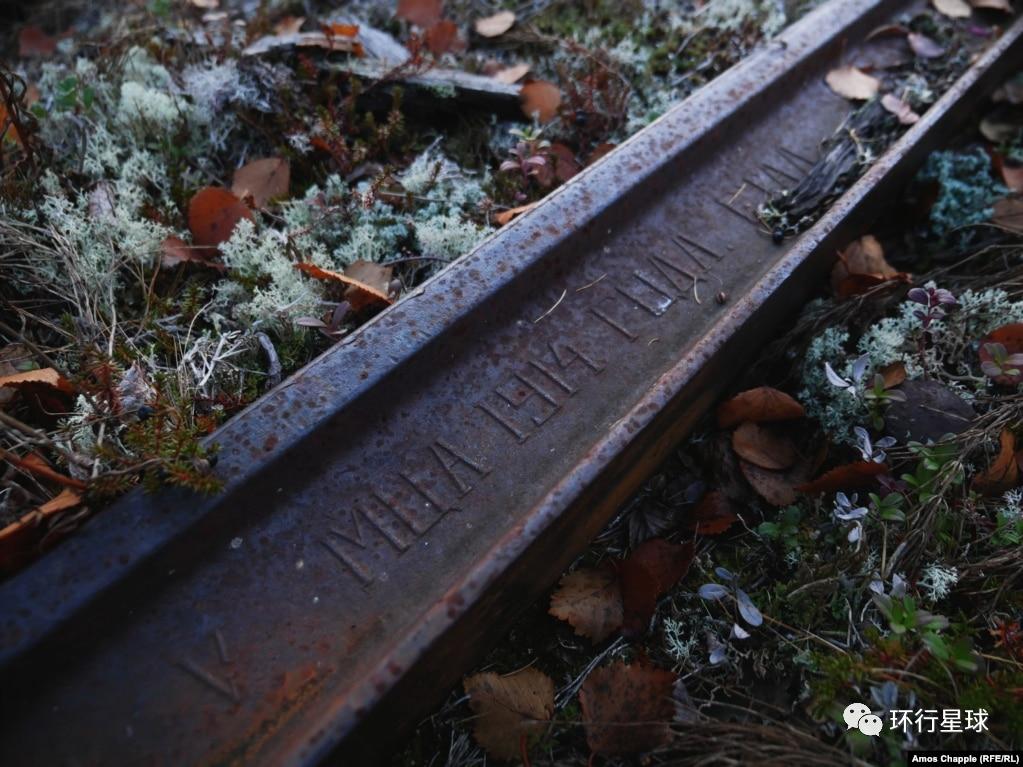
Figure: shutterstock
▾
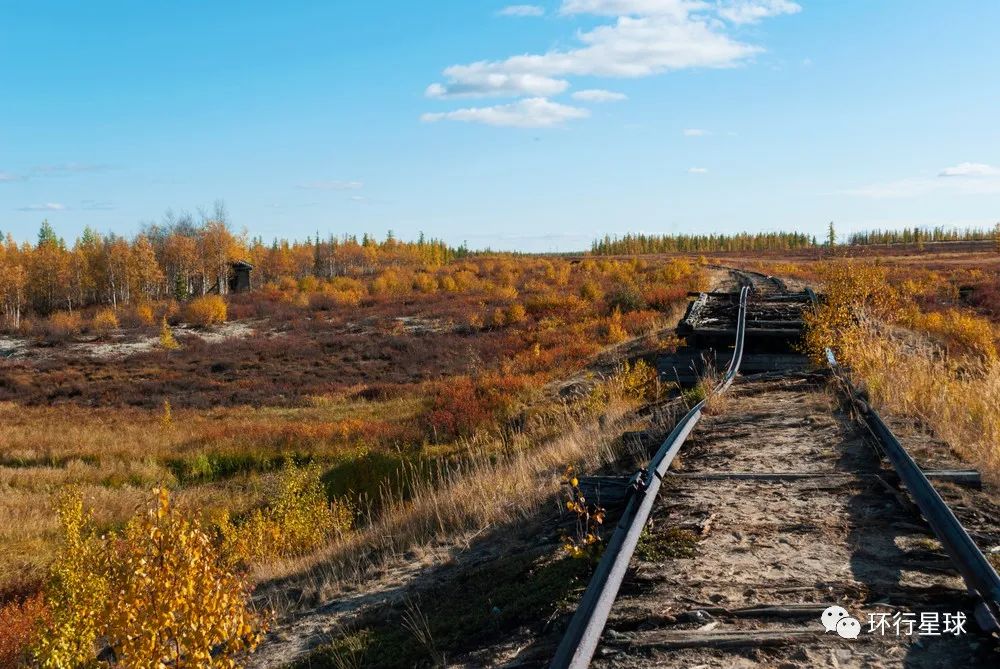
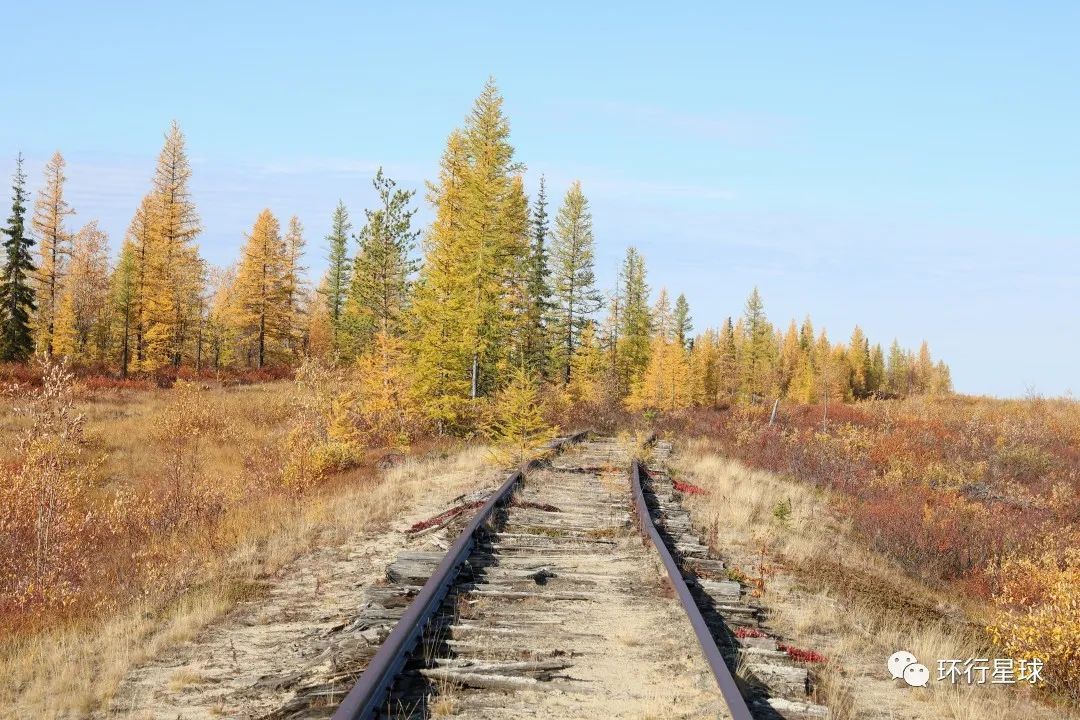
However, the fruits of labor have not been completely abandoned, and there are still two sections of railways that have been preserved and can operate normally. My trip will take the westernmost part of the surviving polar railway.
Once a great project
Now it’s fragmented
▾
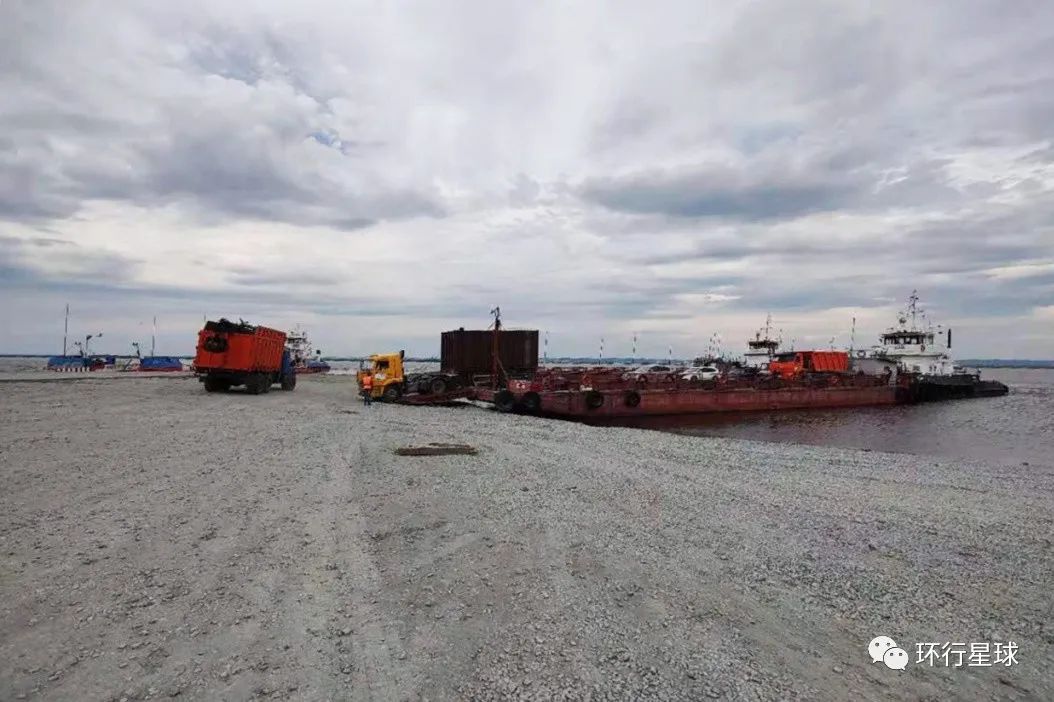
At the beginning of the construction of the polar railway, there was no plan to build a bridge because there was no technical ability to cross the river. Only summer train ferry and winter ice track laying were taken to cross the river.
Therefore, although the railway at the western end nominally starts from Salie Hald, we have to cross the river first and take a bus at the railway station in Rabet Nanji on the other side.
The first thing to do is to cross ob river by ferry.
It takes 15 minutes to cross the river by shuttle bus.
Through the muddy swamp on the bank of the river
Photo: Author
▾
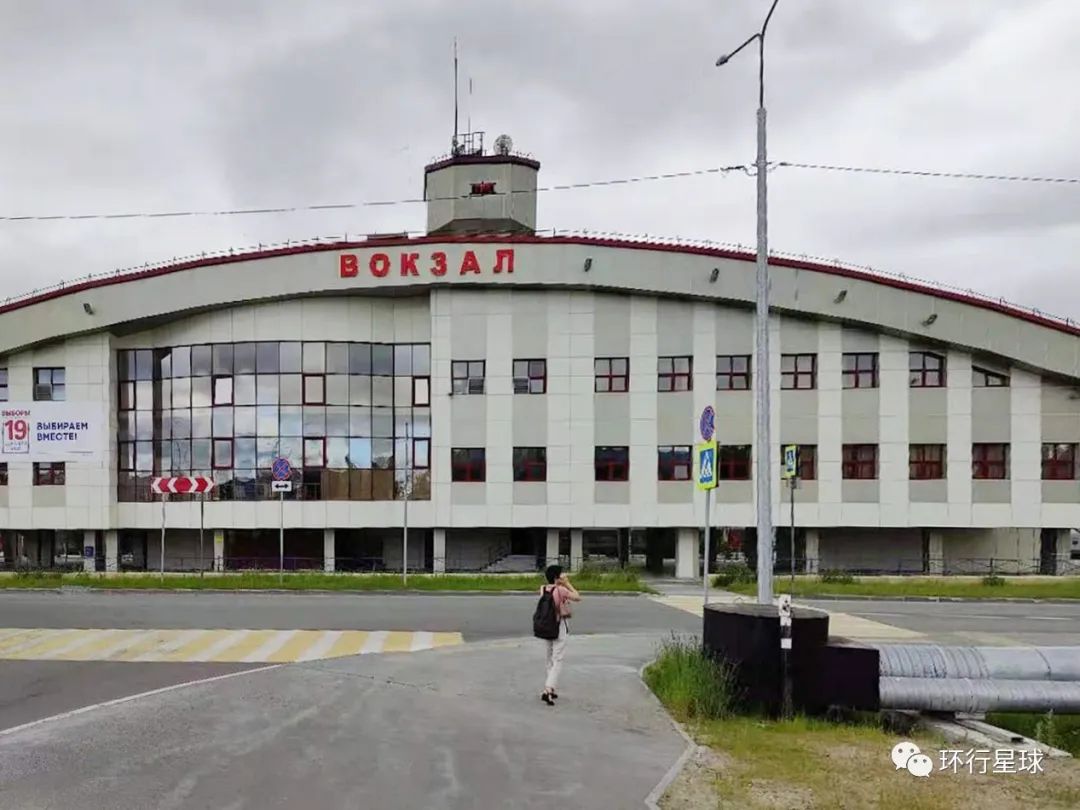
Rabet Nanji Railway Station
The starting point of my polar railway trip
Photo: Author
▾
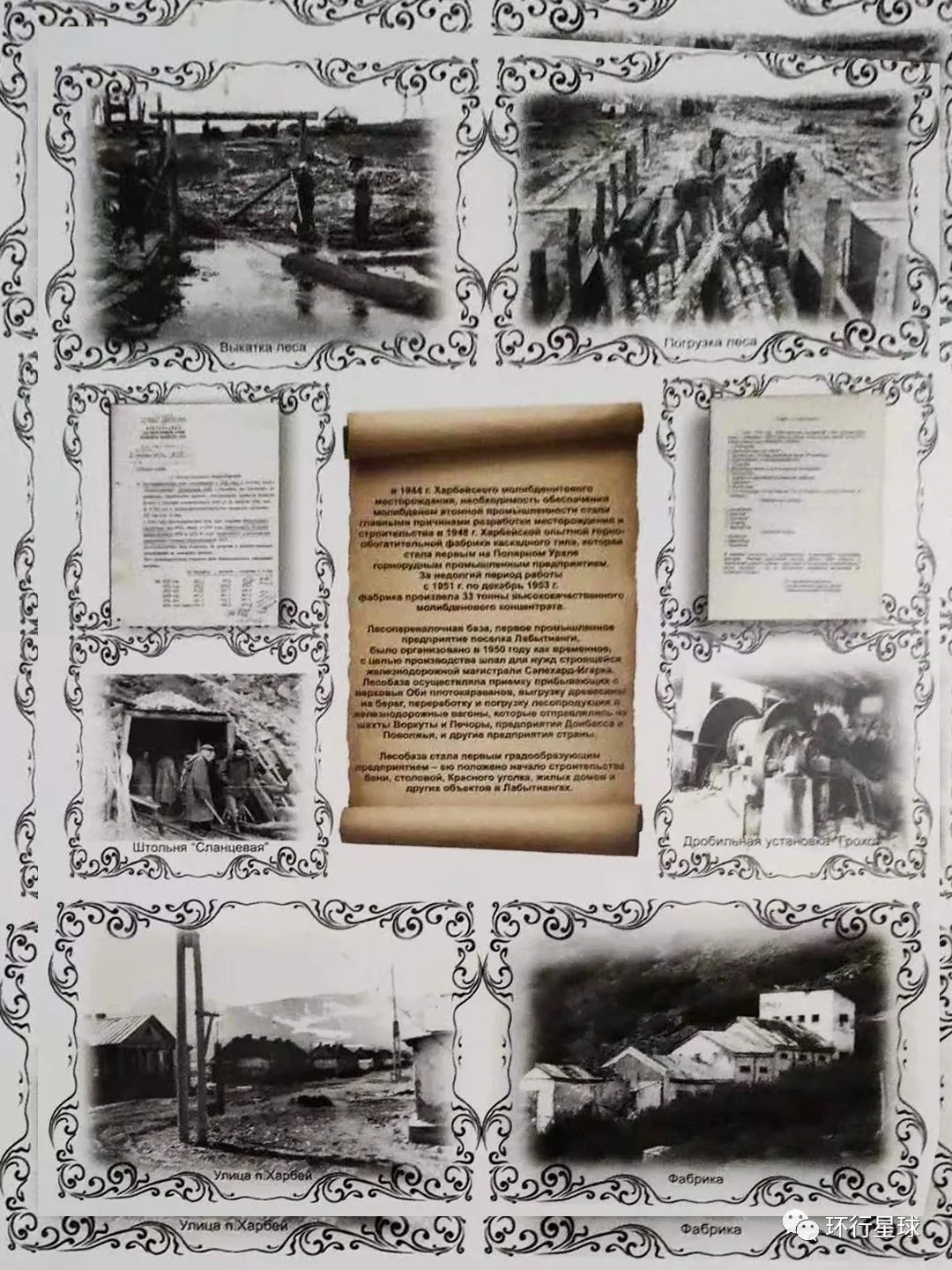
There is a graphic wall about the Arctic Railway in the railway station.
Photo: Author
▾
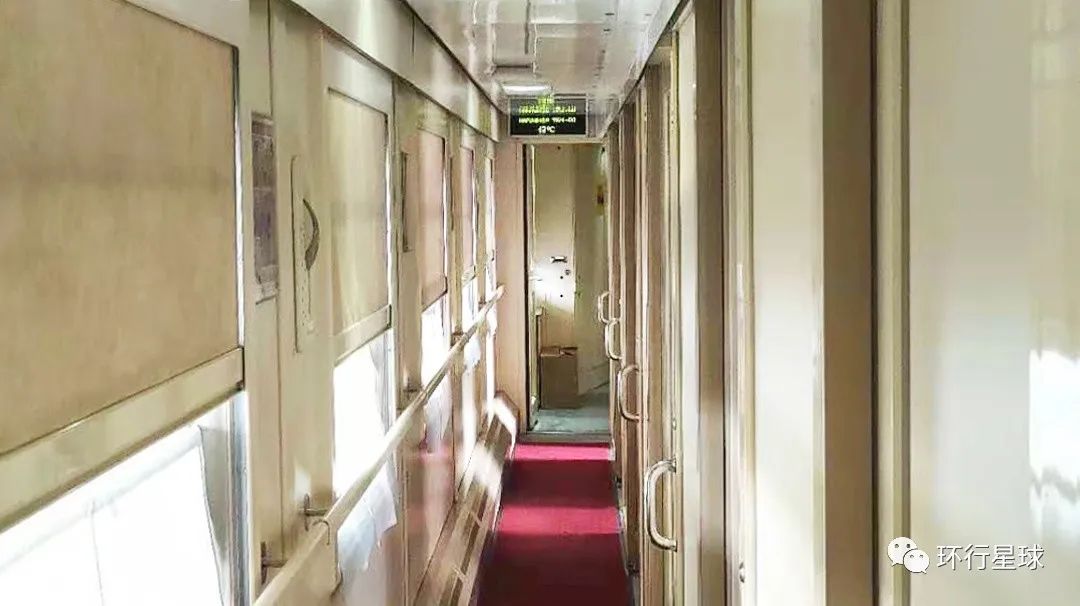
Polar Express Box of Russian Railway
Photo: Author
▾

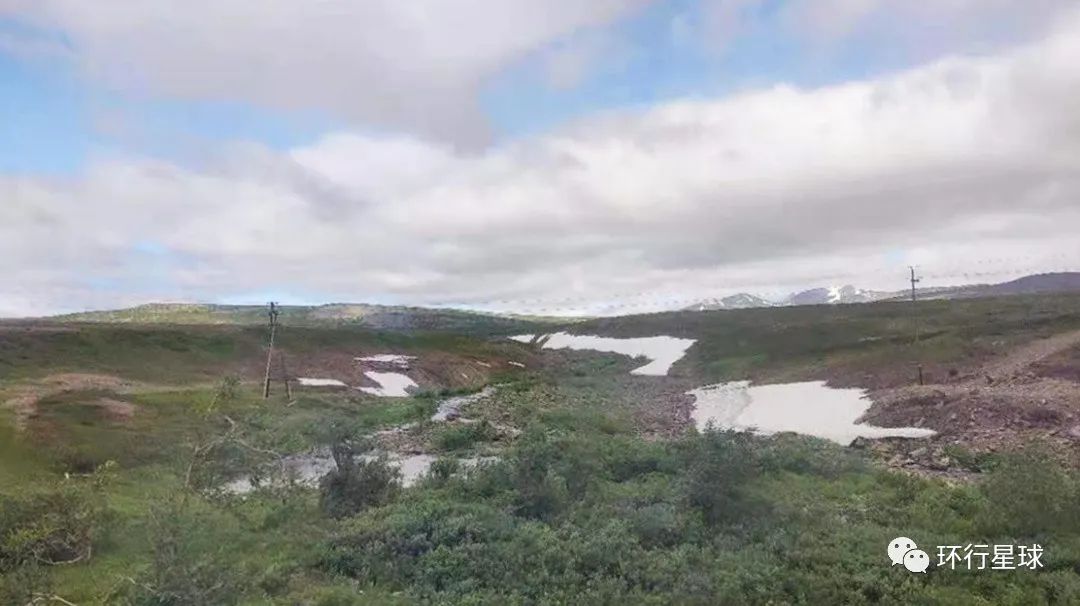
The train began to travel within the Arctic Circle to the Ural Mountains.
Snow-capped mountains and rivers along the way
Photo: Author
▾

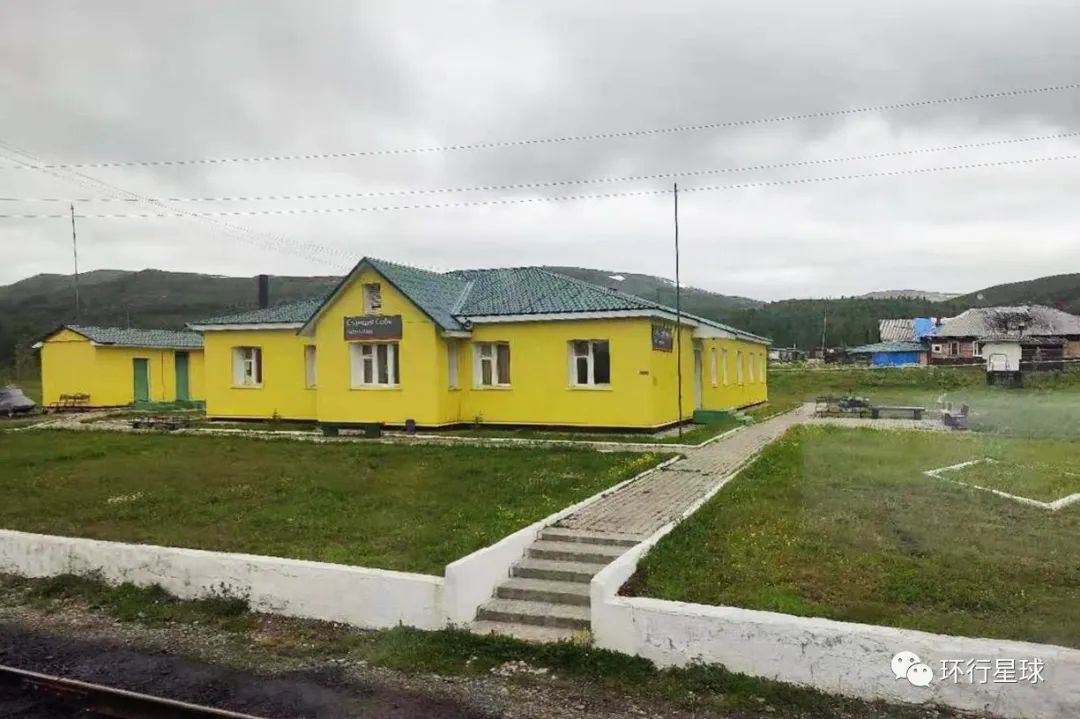
Most stations along the Arctic Railway are painted with bright warm colors.
However, the surrounding area is often deserted.
Photo: Author
▾
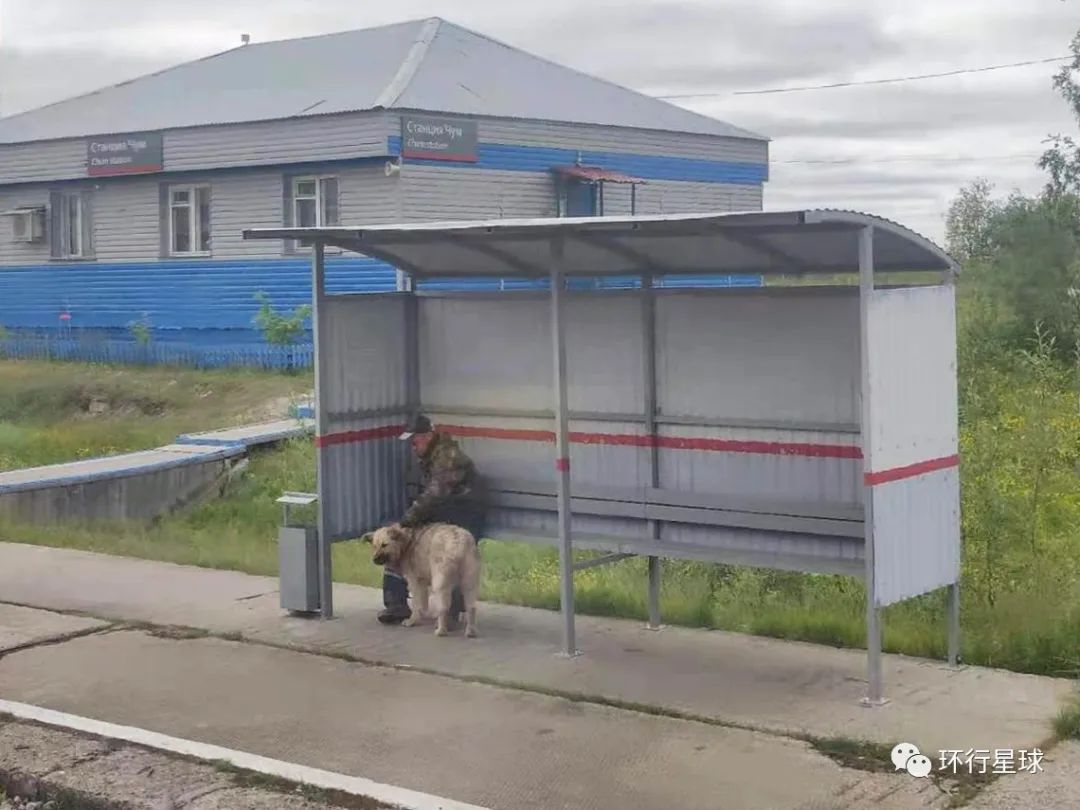
Chum station, theoretically the end or starting point of the Arctic Railway. The old man and his dog are free and comfortable, and the Arctic Railway may be nothing more than an ordinary commuter bus to him.
Photo: Author
▾
When you get on this train, you will see the vast Yuan Ye, the rushing rivers and the polar Urals. Finally, the steel reindeer’s pack will cross the ridge of the polar Urals, and you will witness the origins of many water systems (including ob river) and the Eurasian boundary markers (unfortunately, I didn’t come and shoot).
You will cross Eurasia from the hinterland of real North Asia and witness the division of real geo-space, which is an irreplaceable experience.
The transportation artery that the loving father tried to build was to prepare for the Third World War and consider the possible military blockade of the enemy. On the other hand, he also tried to connect the nickel mines in Siberia with the factories in Europe.
In 2018, the Russian Federation tried to regenerate this huge project in the Soviet era. Today, the new railway is of great military and economic significance to Russia. The Yamal region is developing rapidly, and it is necessary to build a reliable modern railway line in both fisheries and energy industries.
Today, the project is being restarted with a new name-North Latitude Railway, and has been included in the Russian national railway transportation development strategy, which is expected to reach 2030. This project should be resumed at a new level. However, after all, time was wrongly paid by Khrushchev, and according to the efficiency of Russia, the planning may not be reliable.
Maybe I will never see this paper blueprint realized in Eurasia.
END
This content is provided by the author and does not represent the position of orbiting planets.
It can’t be reproduced without permission. Please contact backstage if authorized.
Original title: "Soviet Arctic Grand Plan, Unfinished"
Read the original text